
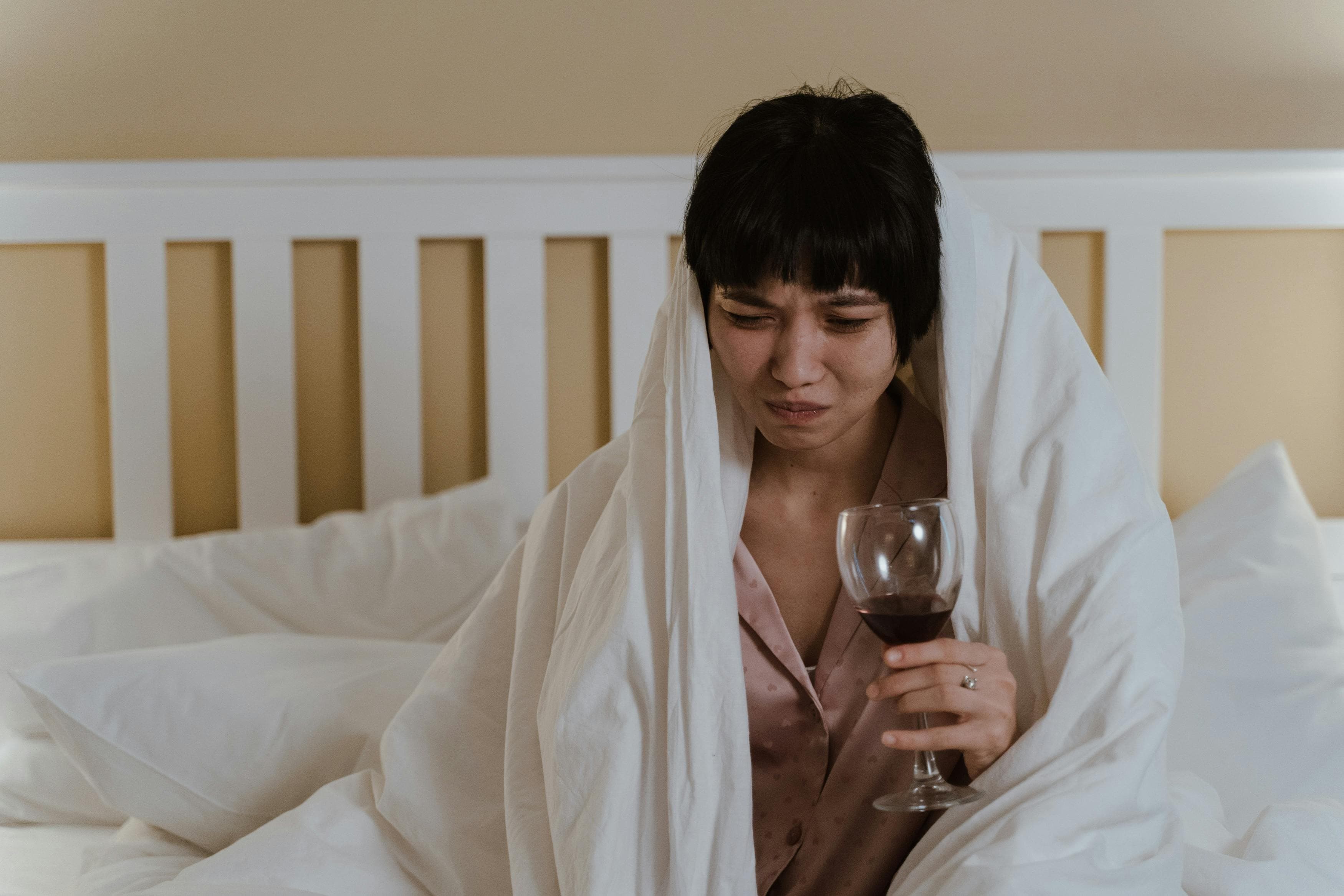
We’ve all seen them: the friends who close down the bar, sleep for four hours, and wake up ready for a 5k run while everyone else is mourning their existence over a greasy breakfast. It feels like a biological injustice, leading many to ask, "Why don’t I get hangovers?"
While some chalk it up to "youth" or "staying hydrated," the reality is buried deep in your DNA and metabolic chemistry. Hangover science explains that roughly 20% to 30% of the population may possess a level of hangover resistance that defies the standard morning-after misery.
Here are five hidden, scientifically-backed reasons why some people don’t get hangovers.
The primary reason why alcohol affects people differently lies in how the body breaks down ethanol. When you drink, your liver converts alcohol into acetaldehyde – a highly toxic substance significantly more potent than alcohol itself. Most hangover symptoms are actually a result of this toxin lingering in your system.
Genetic reasons for no hangover often involve specific variants of two enzymes:
People who never get hangovers often have a highly efficient version of ALDH. Their bodies "clear" the poison so fast that it never has a chance to cause the cellular damage that leads to headaches and nausea.
Recent research (The "Alcohol Hangover Research Group" Consensus) suggests a hangover isn't just dehydration; it’s an inflammatory response. Alcohol triggers the release of cytokines, the same signaling molecules your immune system uses to fight a fever or infection.
In studies comparing why some drinkers wake up without hangovers to those who suffer, "resisters" show significantly lower levels of C-reactive protein (an inflammatory marker) after drinking. Essentially, their immune systems don't "overreact" to the presence of alcohol, sparing them from the body aches and brain fog that plague others.
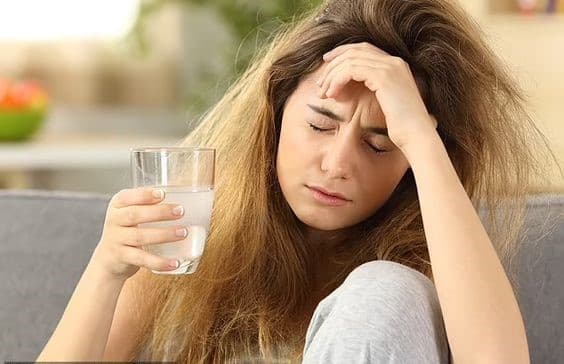
Why alcohol causes hangovers in some people more than others can also depend on how their body processes congeners. These are chemical byproducts of fermentation (like methanol, tannins, and organic acids) found in high amounts in dark liquors like bourbon, red wine, and brandy.
Those with high hangover resistance often have metabolic pathways that prioritize the clearance of these impurities. While a "sensitive" drinker might be bedridden by the methanol in a glass of whiskey, a "resistant" drinker’s liver handles these complex molecules with ease, explaining why some people feel fine after drinking alcohol even when they choose darker spirits.
The stomach is the first line of defense. New research into alcohol tolerance and hangovers explained suggests that the "hangover-proof" crowd may have a specific gut microbiome balance.
Certain beneficial bacteria help break down alcohol before it even reaches the bloodstream. If your gut lining is robust and your microbiome is diverse, you experience less "leaky gut" inflammation during a night of drinking, which is one of the sneaky reasons some people don't feel hungover.
Alcohol is a depressant that inhibits glutamate (an excitatory neurotransmitter). To compensate, your brain produces extra glutamate. When the alcohol leaves your system, you’re left with an over-excited brain, leading to light sensitivity, anxiety ("hangxiety"), and tremors.
How genetics affect hangovers includes the regulation of these neurotransmitters. Some people have a neurological "buffer" that prevents this rebound effect. Their brains return to homeostasis smoothly rather than overcompensating, allowing them to wake up feeling calm rather than frazzled.
If you are one of the lucky people who never get hangovers, you likely have a combination of high-speed liver enzymes, a calm immune response, and a resilient brain chemistry. However, science offers a word of caution: "hangover resistance" does not mean "damage resistance." Even if you feel fine the next morning, the long-term physiological effects of alcohol on the liver and heart remain the same.
Why some people don’t get hangovers remains a fascinating frontier of biology – one that highlights just how unique our internal chemistry really is.