

.jpg&w=3840&q=75)
Nearly a decade after Bihar introduced one of India's strictest liquor prohibition laws, the debate over whether the policy has achieved its intended objectives has resurfaced. The Brewers Association of India (BAI) has written to Bihar Chief Minister Samrat Choudhary, urging the state government to replace total prohibition with a phased, regulated alcohol policy focused on harm reduction rather than blanket bans.
Rather than calling for an immediate end to prohibition, the industry body has proposed a gradual approach that begins with permitting low-alcohol beverages such as beer and wine before considering broader reforms. The recommendations also include changes to taxation, investment in de-addiction programs, and measures aimed at improving women's welfare and employment.
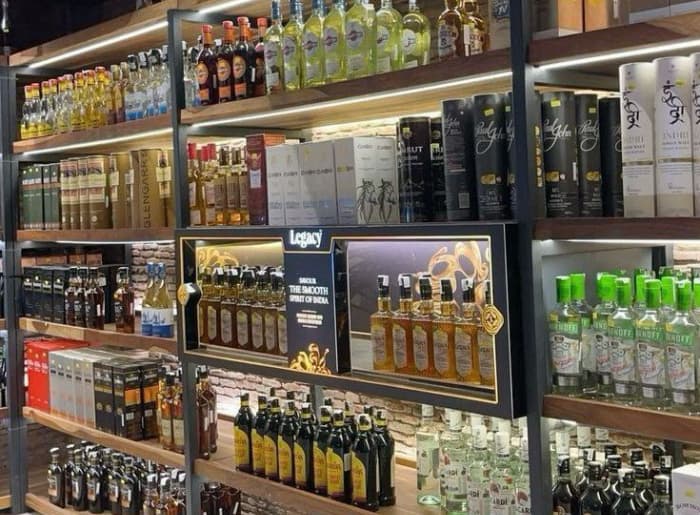
The Brewers Association of India, whose members include major brewers such as AB InBev, Carlsberg, and United Breweries, argues that Bihar's prohibition policy has failed to eliminate alcohol consumption. Instead, it believes the ban has shifted demand away from regulated markets and toward illegal alcohol networks.
According to the association, more than 11.3 lakh cases have been registered and over 17 lakh people arrested under prohibition laws since 2016. Despite this enforcement, illegal liquor seizures have continued to rise, leading the association to argue that prohibition has placed significant pressure on law enforcement and the judicial system without fully addressing alcohol consumption.
Also Read: Ladakh Excise Policy Eases Restrictions On Liquor Sale
Instead of lifting the ban overnight, the Brewers Association has recommended a phased approach that starts with legalizing beverages containing less than 15 percent alcohol by volume, including beer and wine. The organization believes these products offer a lower-risk alternative while allowing regulators to rebuild a controlled and transparent alcohol market.
The association has also proposed introducing an Alcohol-in-Beverage (AIB) taxation model, where taxes are linked to the actual alcohol content of a beverage rather than its category. According to the BAI, such a system could encourage consumers to choose lower-alcohol beverages while supporting more responsible drinking habits.
.jpg&w=1920&q=75)
The recommendations extend beyond changes to alcohol regulation. The Brewers Association has suggested using alcohol taxation to fund broader social initiatives, including establishing at least one de-addiction center in each of Bihar's 38 districts through a dedicated de-addiction cess.
It has also proposed introducing a women welfare cess funded through excise revenue and recommended reserving 75 percent of factory-floor jobs in the brewing sector for women as part of a broader effort to promote economic participation and long-term social development.
Another major point raised by the Brewers Association is the financial impact of prohibition. The organization estimates that Bihar has foregone nearly INR 60,000 crore in excise revenue over the past decade while also affecting sectors such as hospitality, tourism, logistics, and retail.
The association further argues that the absence of a regulated alcohol market has contributed to recurring hooch tragedies by pushing some consumers toward illicit liquor. According to the BAI, strengthening legal regulation may prove more effective than maintaining a complete ban in reducing harmful alcohol consumption.
.jpg&w=1920&q=75)
Also Read: Karnataka’s New Liquor Policy Could Make Premium Whisky And Beer Much Cheaper
For now, the Bihar government has not announced any changes to its prohibition policy. However, the Brewers Association says it is willing to work with the state on developing an evidence-based excise framework focused on regulation, responsible consumption, and public health rather than outright prohibition.
Whether the recommendations lead to policy changes remains uncertain, but the letter has once again brought the effectiveness of prohibition into the national conversation. As Bihar approaches a decade under total prohibition, discussions around balancing public health, enforcement, economic impact, and consumer safety are likely to continue.
.jpg&w=3840&q=100)