
Residents and visitors of Chandigarh will see a slight increase in the cost of spirits starting the new financial year. Under the newly approved Excise Policy for 2026-27, liquor prices in the city are set to rise by approximately 2% effective April 1, 2026.
The policy, framed by the Chandigarh administration, aims to balance revenue generation with market stability while addressing long-standing concerns regarding transparency and "ease of doing business."
The 2% price hike will primarily affect Country Liquor, Indian Made Foreign Liquor (IMFL), Indian Beer, and Indian Wines. According to excise officials, this marginal increase is intended to offset the rising costs of raw materials and inflation.
In a move to remain competitive in the premium segment, the administration has decided to keep the prices of imported wines, imported beer, and imported foreign liquor (IFL) unchanged.
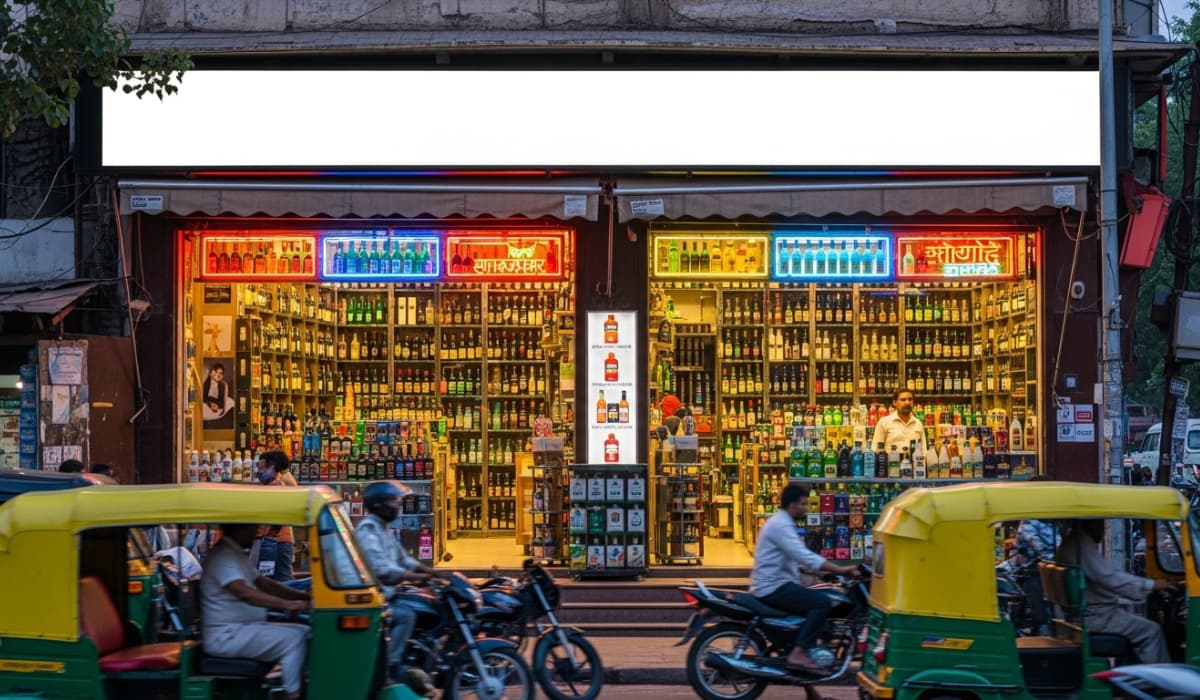
For the 2026-27 excise year, the administration has set an ambitious revenue target of INR 950 crore. To achieve this, the total reserve price for the city’s 97 retail liquor vends has been fixed at INR 454.35 crore, up from INR 444 crore in the previous year.
One of the most significant structural changes in the new policy is the introduction of a clear, legal definition of “family.” This move follows observations from the previous year’s auction where nearly 30 vends were secured by members of the same families, leading to concerns about cartelisation and market monopoly.
By defining "family" strictly, the department aims to prevent related bidders from dominating the auction process, ensuring a more level playing field for independent contractors and reducing the risk of litigation.
To ensure a steady supply and maintain trade stability, the retail liquor quota remains "revenue-neutral," meaning it stays largely unchanged from the 2025-26 policy. The breakdown is as follows:
The 2026-27 policy places a heavy emphasis on compliance and security through technology:
In a bid to modernize the shopping experience, the administration has reintroduced the L-10B license, which allows for the sale of liquor through organized departmental stores. This initiative is specifically designed to provide a safer and more comfortable environment for women and senior citizens to make purchases.
Furthermore, "Ease of Doing Business" reforms include relaxing the rules for custom-approved bonded warehouses. These warehouses no longer need to be located within Chandigarh and can be situated anywhere in India. Additionally, the requirement for prior experience to operate such warehouses has been waived.
The Chandigarh Excise Policy 2026-27 reflects an approach by the Union Territory administration. While consumers will feel a minor pinch with the 2% price increase on domestic spirits, the policy prioritizes market transparency and modernizes the retail landscape. By leveraging technology for monitoring and tightening rules against cartelisation, the administration hopes to secure its INR 950 crore revenue goal while making the trade more organized and consumer-friendly.
.jpg&w=3840&q=100)