
Sipping wine at a mountain resort, drinking a craft beer after skiing, or enjoying a cocktail on a long-haul flight hits differently. And you may think it’s because of the vibes, but that’s not true. Drinking at a high altitude impacts your body differently. In this unsobered explainer, we break down the science behind why drinking at altitude is more impactful, what goes on in your body when you do so, and the physiological impacts of drinking alcohol at high altitude. The article also debunks common myths about Blood Alcohol Content (BAC), explains altitude sickness overlap, and offers safety guidelines for mountain travelers.
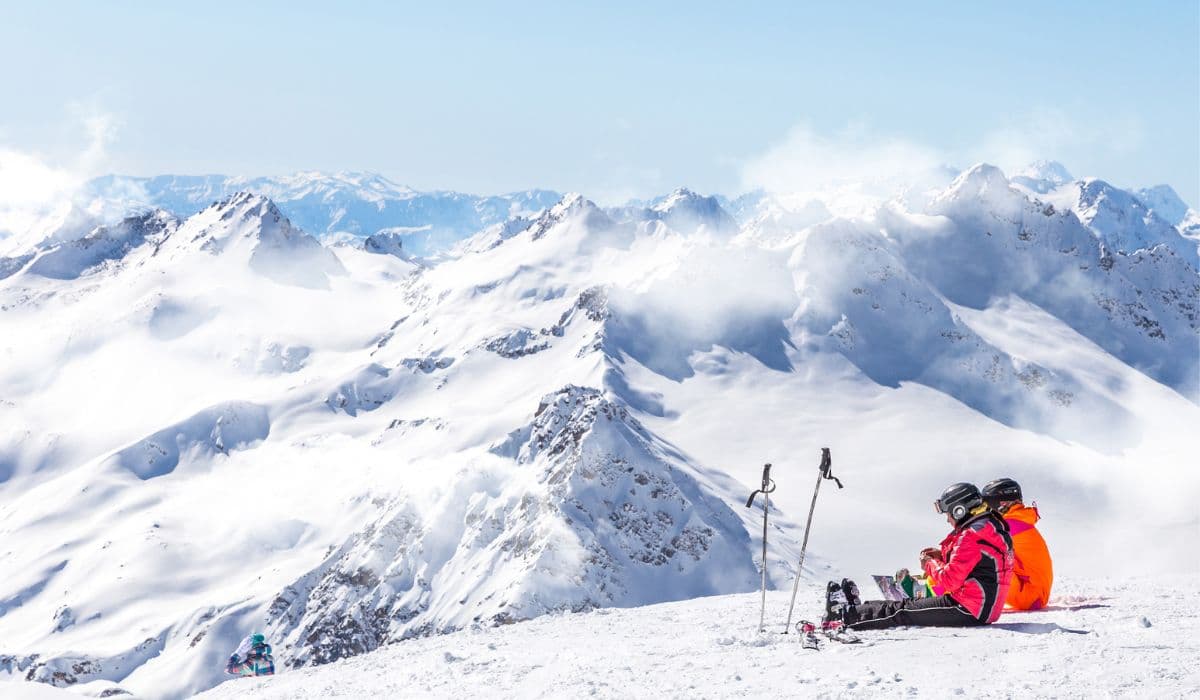
At elevations higher than 8,000 feet or 2,400 meters, the atmospheric pressure reduces drastically. This change in atmospheric pressure results in a reduction of oxygen saturation in the red blood cells of your body. The body then attempts to adapt to this climate, which results in an increased respiration rate, elevated heart rate, and mild fatigue. The high altitude also alters your brain functioning. Adding alcohol while your body is already going through these changes makes everything slightly more complicated for it.
.jpg&w=1920&q=75)
Alcohol, combined with physiological changes at high altitudes, affects brain function and motor skills through distinct pathways that amplify one another. Given below are a few of the changes that can happen in your body when you drink at a high altitude:
It is a common misconception that the reason you feel drunk faster at higher altitudes is that your Blood Alcohol Concentration (BAC) increases faster and higher than at sea level. This is not true. Even at higher altitudes, alcohol absorption rates and BAC do not mathematically increase.
The main reason why you feel drunk faster is owing to the fact that the brain is already coping with lower levels of oxygen. What is more, the ethanol in the alcohol has an impairing effect on the brain. These impairing effects of ethanol, such as dizziness, slowed reaction time, and poor coordination, combined with hypoxia, make one drink feel like two or three.
The air at high altitudes is quite dry. It causes rapid fluid loss through respiration and sweat. Alcohol, too, is a diuretic, as it inhibits the anti-diuretic hormone of your body, vasopressin. When you consume alcohol, the kidneys flush fluids more rapidly, which compounds dehydration.
The low levels of oxygen at higher altitudes cause periodic breathing during sleep. Consuming alcohol further disrupts REM sleep cycles and relaxes upper airway muscles. This ends up increasing nighttime waking, snoring, and blood oxygen drops.
The symptoms of Acute Mountain Sickness (AMS) or Altitude Sickness mimic those of a hangover. Afflicted people are highly likely to experience symptoms like headaches, nausea, dizziness, and fatigue. Drinking alcohol can mask early warning signs of AMS and even delay proper acclimatization or treatment.
Also Read: Is Beer Really More Hydrating Than Other Alcohol? What To Know Before Your Next Pint
.jpg&w=1920&q=75)
When you drink liquor, your liver has the task of detoxifying your body of toxic acetaldehyde. But it also plays an important role in the metabolic processes that help your body get acclimatized to higher altitudes.
When you consume liquor at a higher altitude, your liver prioritizes metabolizing toxic acetaldehyde over other metabolic processes. This slows down the body's natural physiological adaptation to low oxygen.
What is more, both altitude exposure and ethanol intake elevate resting heart rate. This increases the cardiac strain on your heart during physical exertion like skiing or hiking.
Avoid alcohol during the first 48 hours of ascending to allow your body to acclimatize naturally.
Drink at least two glasses of water or electrolyte solution for every alcoholic beverage you consume.
Make sure you eat complex carbohydrates and protein-rich meals to stabilize blood sugar and slow alcohol absorption.
It is crucial that you pay attention to the signs of your body and act accordingly. If you are experiencing a headache, nausea, or dizziness before drinking, you should skip alcohol entirely and rest.
Also Read: Why Does Beer Make You Burp So Much? Here’s What’s Happening
So, the science proves that even at high altitudes, the BAC remains the same. However, owing to other biological and geographical factors, the impact of alcohol can be stronger, and you may feel your drinks more than you would at sea-level. The combined burden of hypoxia and accelerated dehydration makes moderation crucial. As such, it is very important to exercise moderation when drinking at a high altitude. If you see any signs of AMS, do not risk your health; forego drinking altogether. Staying safe while traveling should be your first priority always.