
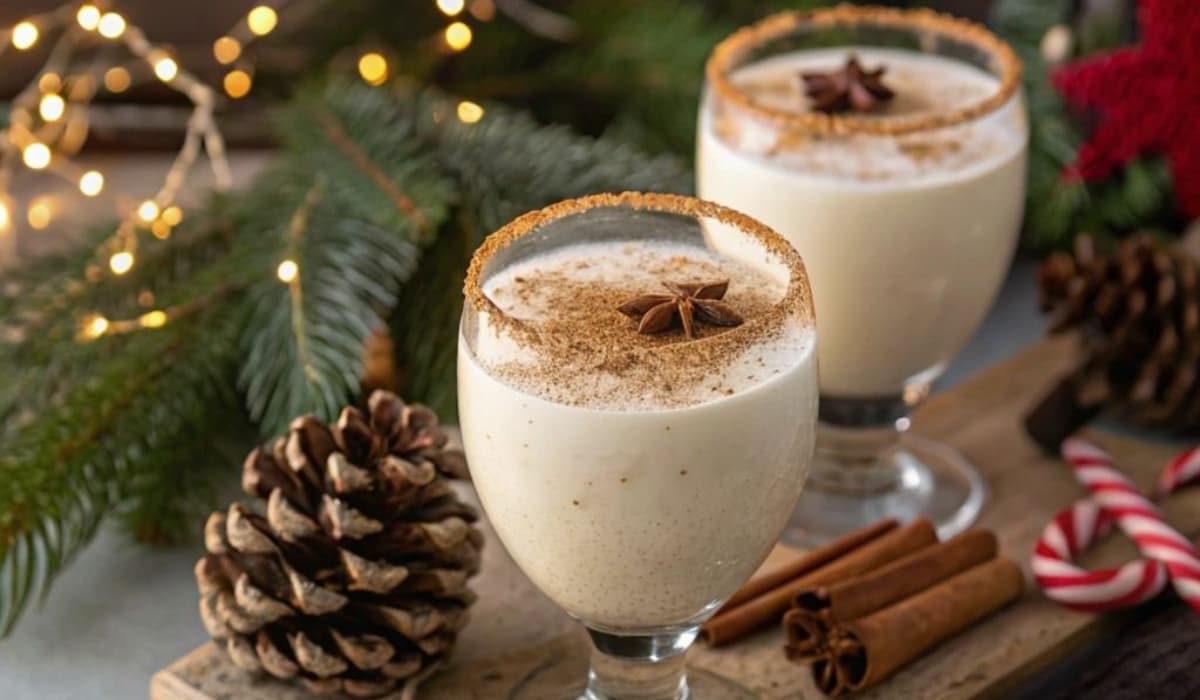
Christmas all over the world has its own food traditions and festive drinks are no different. In North America Eggnog is the classic festive drink, but in Puerto Rico the Christmas drink of choice is Coquito, a rich, creamy coconut drink traditionally made with rum. Both are thick, spiced, indulgent drinks in their own right.
Although Coquito is frequently described as Puerto Rican Eggnog, the two are very different drinks. From their origins and ingredients through to how they're made and what they taste like, here's all you need to know about the difference between Eggnog and Coquito.
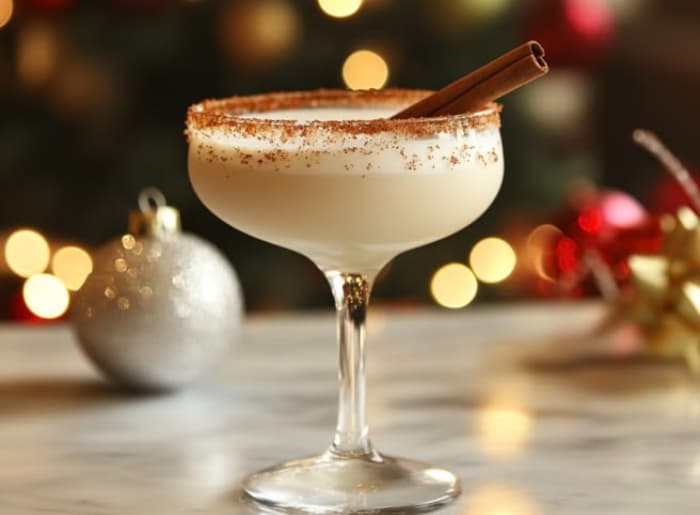
The roots of eggnog are in posset, a medieval British drink of milk and alcohol. The richer versions with eggs and spices were the preserve of the wealthy. It made it over to colonial North America where rum was a very common addition. It slowly became a Christmas drink in the US and Canada.
Classic eggnog is made with milk, cream, eggnog, sugar, and nutmeg. The alcoholic versions will typically include rum, bourbon, brandy, or a combination of these. The eggs give it character and richness, and the milk and cream provide the smooth, custard-like texture. It can be served warm or cold, and, of course, you'll generally have freshly grated nutmeg at the end.
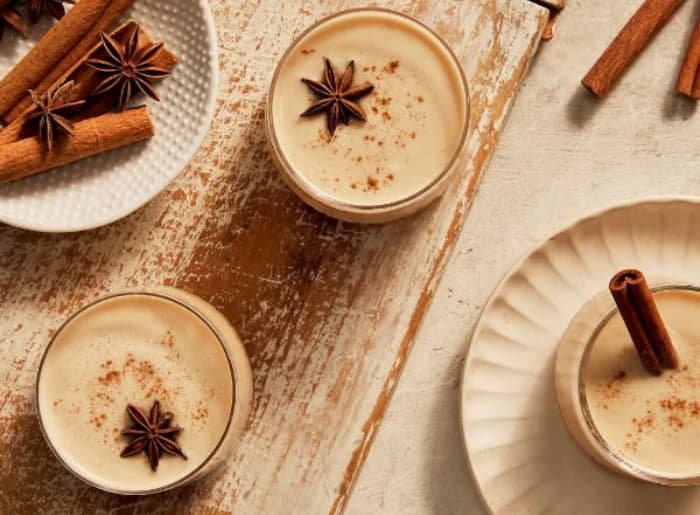
Coquito is a traditional Puerto Rican Christmas drink made from coconut, rum, dairy, and a host of aromatic spices. The name literally means 'little coconut,' and it's that ingredient that really defines the drink. The precise origins of Coquito are unclear, but it's absolutely central to Christmas in Puerto Rico, and innumerable families pass down their own recipe from generation to generation.
Coquito is a drink that's very much a part of the festive season and is often consumed at parrandas (the Puerto Rican Christmas caroling). It's also quite commonly bottled and given as a Christmas present. The basic ingredients are coconut milk, cream of coconut, sweetened condensed milk, evaporated milk, rum, cinnamon, and vanilla. Some family recipes also include egg yolks, though plenty of people will happily drink it without them.
Planning a Christmas house party? Discover 10 Christmas drinking games to bring some festive fun to your celebrations.
The big difference between Eggnog and Coquito is in the base ingredients. Eggnog is based on eggs and dairy which gives it that custardy texture. Coquito is all about coconut milk and coconut cream.
The alcohol used also varies. Eggnog can be made with bourbon, brandy, rum or a mixture of spirits depending on the recipe. Coquito has a much stronger cultural link to Puerto Rican rum (specifically white rum) but there are also variations using dark or spiced rum.
Eggnog is a rich dairy product with a sweet, warm note of nutmeg. It can be quite light and frothy, depending on how the eggs are incorporated, or quite thick and custard-like.
But what does Coquito taste like? It's coconut (obviously) with the sweetness of condensed milk, a touch of cinnamon, some vanilla and a dash of rum. It's smooth and creamy with a very distinct tropical character.
Traditional eggnog is made by separating the eggs, whisking the yolks, and then folding in the whipped egg whites. Some recipes involve gently cooking the egg-and-dairy mixture. It can be served warm or cold.
Coquito is made by blending the ingredients until smooth and then chilling the mixture. It's normally served cold in small glasses, often dusted with cinnamon. Egg-free versions are particularly easy, as you don't have to go through the bother of preparing eggs.
Looking for festive cocktails to celebrate National Eggnog Day? Discover 5 eggnog cocktails that capture the flavors of the holiday season.
Both the traditional Christmas cocktails can be made at home using fairly standard ingredients.
Ingredients:
Method:
Separate the egg yolks from the egg whites. Whisk the yolks with most of the sugar until creamy. Add the milk, cream and your preferred spirit and mix well. In a separate bowl whisk the egg whites with the remainder of the sugar until soft peaks form. Fold the egg whites into the mixture, refrigerate and serve cold with a good deal of freshly grated nutmeg.
Use pasteurized eggs for any uncooked applications, as adding alcohol won't reliably reduce the risks associated with raw eggs.
Ingredients:
Method:
Simply combine all the ingredients in a blender and blend until smooth. Pour into a clean bottle and chill in the refrigerator until thoroughly chilled. Shake well before serving in small glasses and garnish with plenty of ground cinnamon.
This egg-free version still has the coconut character so typical of Coquito.
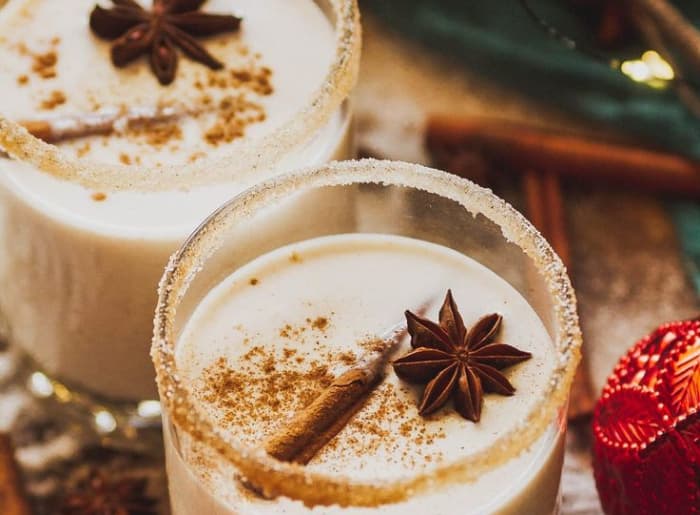
If you're a fan of custard type desserts, rich dairy and warming spices then Eggnog may be more to your liking. It's also very flexible and can be adapted to include whiskey, rum and brandy for those who like their spirits. It would be an interesting addition to a festive menu in the colder parts of northern India and in the hill stations for Christmas.
Coquito is quite different from the traditional winter drink; it's very much a tropical drink. Its coconut character is likely to appeal to Indian readers, given their familiarity with the coconut-based cuisine of Goa and Kerala. It's an excellent chilled holiday drink in regions with reasonably warm Christmas weather. Both drinks can, of course, be made without alcohol.
Curious about the limited-edition holiday bottles released for Christmas 2025? Discover 5 festive releases that were available in India.
This is all based on historical research, official information from Discover Puerto Rico, established cocktail recipes, and FDA food-safety guidelines. The sources cover the history and cultural background of the drinks, the traditional ingredients used, the methods of preparation, the differences between eggnog and Coquito, and the food-safety issues related to the use of raw eggs.
So is Coquito the same as Eggnog? They're very similar, but they're, in fact, two very different drinks with distinct traditions. Eggnog is all about the richness of the egg, the dairy, and the nutmeg. Coquito is all about the coconut, the rum, and the spices. You could argue that either one is the better Christmas drink, but they're both very different ways of looking at the Christmas drinking tradition from different parts of the world.