
Vodka is generally regarded as one of the most versatile spirits, largely due to its very neutral flavor. Flavored vodka has brought a whole new dimension to the category, with citrus, berries, vanilla, and all manner of spices available. Regular vodka and flavored vodka can also differ in terms of alcohol content, sugar levels, ingredients, and labeling. All of these things can make a difference, so it's worth knowing about them.
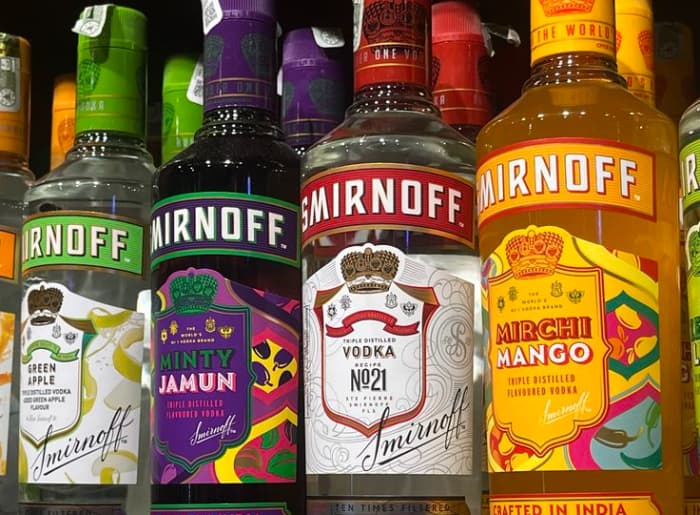
Regular vodka is a distilled alcoholic spirit and is traditionally made from ingredients such as wheat, rye, corn, or potatoes. Other agricultural raw materials can be used. It is distilled and is often filtered to give a relatively neutral spirit with a very clean aroma and very mild flavor.
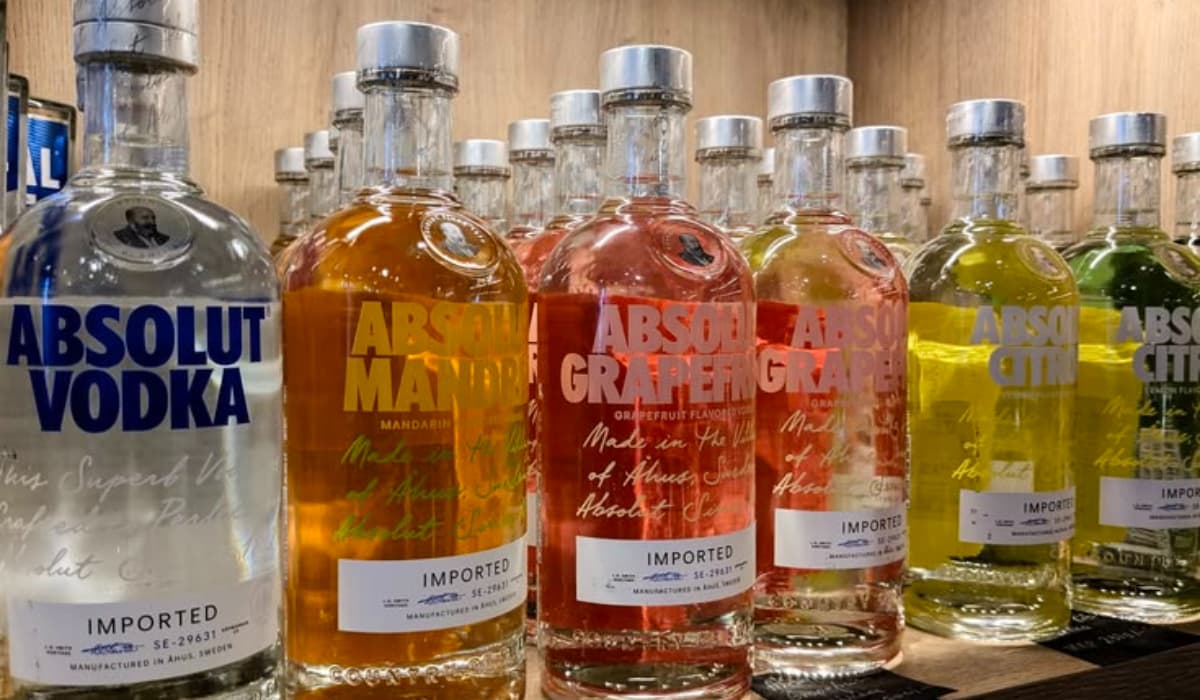
Flavored vodka starts with a vodka base and then has further ingredients added to impart the desired flavor. These can be fruit, herbs, spices, or botanicals. The flavor can be achieved by infusion, by distilling with the botanicals, or by blending in the permitted flavoring ingredients.
The key difference is in the drinking experience. Plain vodka offers a very neutral base for cocktails, whereas flavored vodka will have a distinct aroma and flavor. The flavoring, of course, doesn't in any way dictate the strength or sweetness of the vodka.
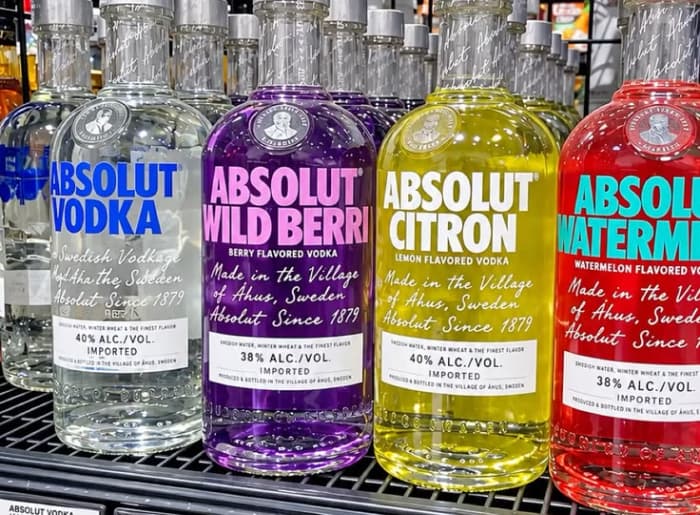
Alcohol by volume (ABV) is the percentage of alcohol in a drink. Standard vodka is generally 40% ABV in the international market, although the actual ABV will vary from product to product and from country to country. Flavored vodka can have a lower percentage of alcohol with some bottled at around 35% ABV, others at the usual 40% ABV. The addition of flavorings doesn't necessarily lead to a reduction in the percentage of alcohol, as the manufacturer can choose to bottle at whatever strength they wish.
In the EU, standard vodka must generally be at least 37.5% ABV. In the U.S., a product simply labeled as vodka will generally be required to be at least 40% ABV, with certain flavored vodkas being able to be sold at lower strengths. For the Indian consumer, the best way to gauge the strength of an alcohol is to look at the ABV on the bottle. Two products from the same brand can have very different ABVs, particularly if you're comparing the standard expression with a flavored version.
Sugar content is another area in which regular vodka and flavored vodka can differ. Plain unflavored vodka will generally have no sugar in it after distillation, assuming the manufacturer hasn't added any sweetening agents at a later stage.
Flavored vodka may contain added sugar depending on the formula. Some brands use sweeteners or syrups to go with the fruit flavors while others will use flavoring extracts which will impart the aroma and flavor without actually being sweet. Interestingly, a vodka that smells sweet doesn't necessarily have a lot of sugar in it. Vanilla, berries, and some of the citrus flavors can give the impression of sweetness even if there's very little or no sugar at all.
Consumers should not automatically assume that any flavored vodka contains more sugar than plain vodka. The levels vary from brand to brand and expression to expression. It's far more useful to check the actual nutritional information or the product information available rather than simply look at the flavor on the bottle.
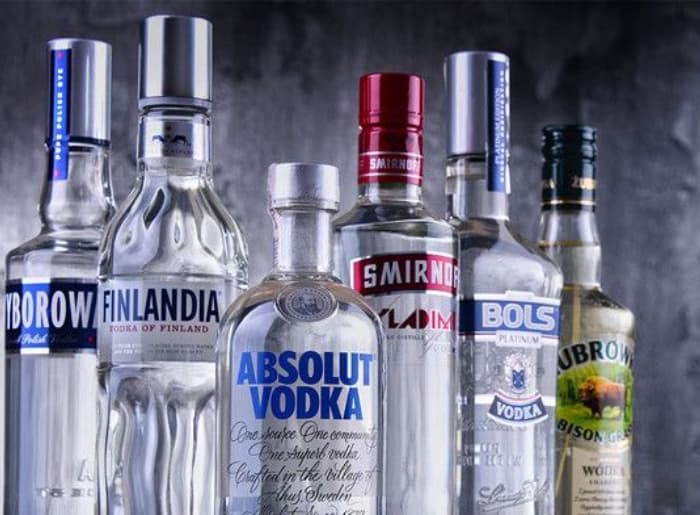
The ABV is a key piece of information as it tells you the alcohol strength of the spirit. The size of the bottle, the product classification, and all the other required information are also there. Regular vodka is just labeled vodka whereas flavored vodkas typically are described as citrus vodka, raspberry vodka, vanilla vodka, etc. Depending on the relevant regulations, they may also state whether the flavorings are natural or artificial.
A fruit name on the label doesn't necessarily mean that the vodka contains fresh fruit or fruit juice. Likewise, a flavored vodka label doesn't necessarily mean that sugar has been added. The requirements for ingredient disclosure and nutritional labeling differ from market to market, so some of the information may only be available from the manufacturer.
Consumers should also be aware of the difference between flavored vodka and vodka-based liqueurs and other flavored alcoholic beverages. They can be very different in terms of alcohol strength, sugar content, and indeed legal classification, even if the labeling is very similar.
Does freezing vodka make it stronger? Discover the science behind freezing vodka and how it affects alcohol strength.
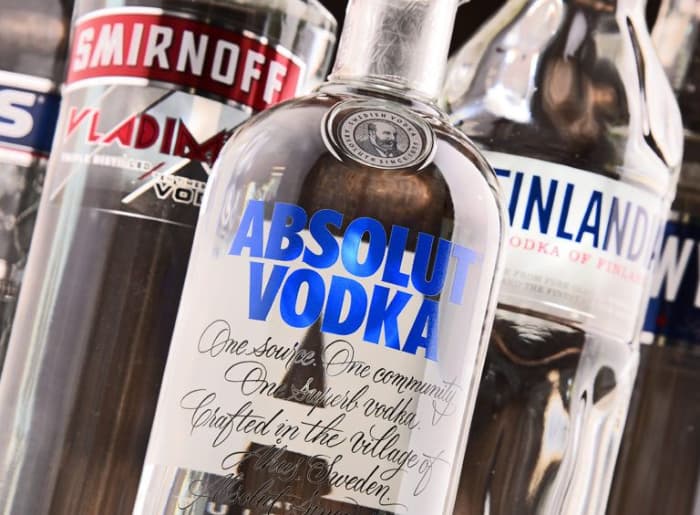
The choice between flavored and plain vodka is down to personal preference and how you plan to use it. Plain vodka is probably best in a cocktail where you're going to be using the other ingredients to provide the flavor. The Moscow Mule, the Vodka Martini, and the Vodka Soda are all classic examples of this.
Flavored vodka can be very useful when making simpler drinks as it brings the fruit, spice, or botanical notes to the drink. Citrus vodka is good in a soda or tonic, and berry flavored vodkas can be used in fruit-based cocktails. The strongly flavored ones, however, may not be the most versatile when it comes to making classic vodka cocktails.
Neither category is in any way automatically superior, better, or higher quality. It's down to the individual product, the ingredients, and the drinking experience that you prefer.
Wondering what mixers go with whisky, gin, rum, and vodka? Explore this beginner's guide to finding the perfect combinations.
The information presented in this article has been referenced from industry guides on plain and flavored vodka, along with regulatory information from the US Alcohol and Tobacco Tax and Trade Bureau (TTB) and the Food Safety and Standards Authority of India (FSSAI). These sources provide details on ingredients, production methods, flavor profiles, sugar content, alcohol strength, labeling, and the key differences between plain and flavored vodka.
The difference between flavored and plain vodka is not just in the taste. Plain vodka will have a neutral flavor profile, while flavored vodka will have additional aromas and ingredients that will affect its character.
ABV and sugar content can vary within the categories, so the bottle label is a vital source of information. Whether you're picking vodka for use in cocktails or simply looking to try different flavors, the alcohol percentage, product description, and available ingredient details on the label are all important things to check.