
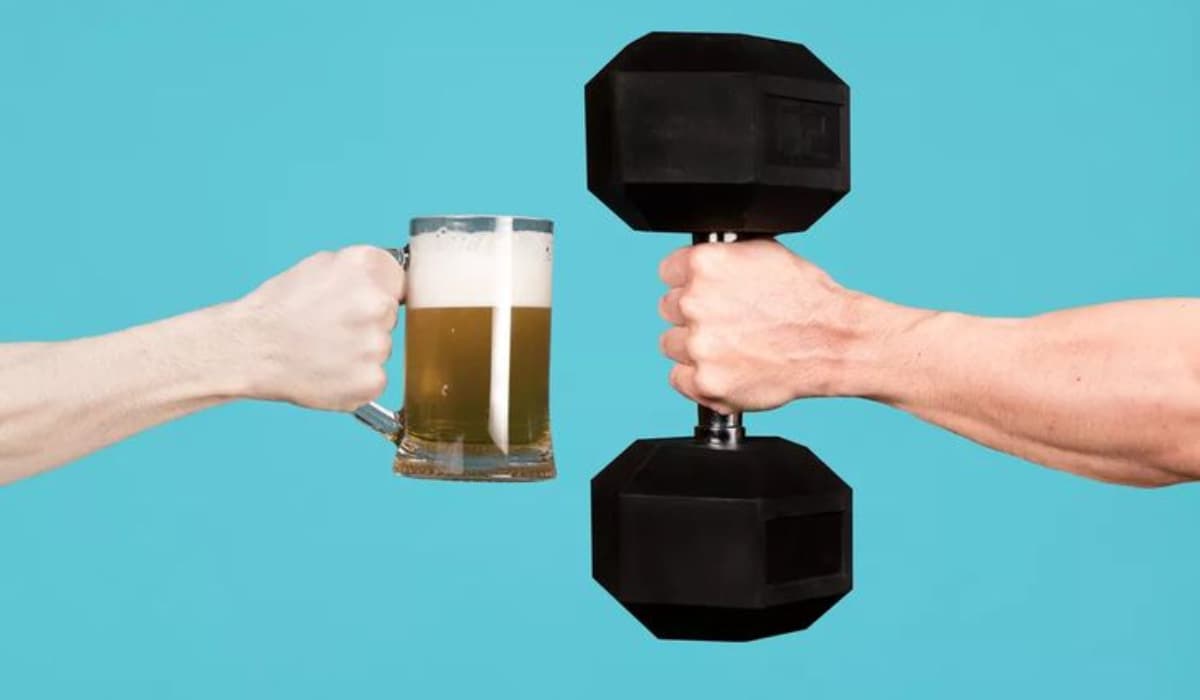
You’ve been putting in the hours at the gym, tracking your protein, and trying to stay consistent, yet if your routine includes regular drinking or even casual drinking, it might be slowing down your progress more than you realize.
The relationship between alcohol and fitness is often misunderstood. While the occasional drink may not seem like a big deal, the way alcohol interacts with your body tells a different story. From muscle recovery to hormone balance, alcohol can directly impact how your body responds to any gains made in the gym.
Before getting into the effects, it helps to understand what we mean by “Gym Gains”. Gains usually refer to the repair and growth of your muscles. After a workout, your body enters a recovery phase where it repairs damaged muscle fibers and builds them back stronger. This process depends on proper nutrition, rest, and hormonal balance. As one would expect, anything that disrupts this process will lead to slower muscle recovery and growth.
One of the biggest ways alcohol interferes with fitness is by reducing muscle protein synthesis, which is the process your body uses to repair and build muscle tissue after a workout. This means that even if you are eating right and training hard, your body may not be able to fully recover and grow. Alcohol can also disrupt the signaling pathways that tell your body to build muscle. Over time, this can lead to slower progress and reduced strength gains.
Alcohol is known to throw hormones off balance, and this can further impact muscle recovery and growth by lowering testosterone, which is essential for muscle growth, and increasing cortisol, a stress hormone that promotes muscle breakdown. This sends your body into a state that is not ideal for building muscle. This kind of imbalance can further affect performance and recovery.
Recovery is the most important part of muscle building, mainly because this is where you make the most progress, and alcohol can interfere with it. Alcohol can disrupt your sleep patterns, even if it makes you fall asleep faster; the quality of your sleep is severely impacted, thereby leading to your body not recovering properly.
Alcohol can also lead to dehydration, thereby affecting muscle function, poor performance, and slow recovery.
Alcohol takes up your calorie count; this is what we refer to as “empty calories,” as it has no real nutritional value, which can contribute to fat gain without supporting muscle growth.
At the same time, alcohol interferes with the absorption of important nutrients such as protein, zinc, and magnesium, all of which are essential for muscle repair and overall performance. In simple terms, your body prioritizes processing alcohol over using nutrients efficiently.
.jpg&w=3840&q=75)
Once you finish a workout, your body goes into a recovery state. This window of time can normally last up to 24 hours. During this period, repairing and building muscle is your body's main focus. Consuming alcohol during this period can significantly reduce your body’s ability to recover.
This is why post-workout drinking tends to have a stronger negative impact compared to drinking at other times.
Not all drinking has the same effect, and the impact often depends on quantity. Low to moderate intake may have minimal impact, while higher levels of consumption can significantly reduce muscle recovery and performance.
In extreme cases, heavy drinking has been linked to setbacks equivalent to weeks of training progress. This makes moderation one of the most important factors when balancing fitness and alcohol.
The short answer is yes, but it depends on how you approach it. Completely avoiding alcohol is the ideal state for peak performance, but for most people, the focus is on balance. Occasional, moderate drinking is less likely to have a major long-term impact compared to regular or heavy consumption.
Small adjustments can help reduce the impact. Limiting how often you drink, staying hydrated, avoiding alcohol immediately after workouts, and prioritizing nutrition and sleep can all make a difference. These steps do not eliminate the effects, but they can help manage them.
Alcohol can slow down your gym progress, especially when consumed frequently or in large amounts. It interferes with muscle growth, disrupts recovery, and affects overall performance.
That said, it does not have to be an all-or-nothing decision. The key lies in moderation and timing. If fitness is a priority, being mindful of how and when you drink can make a noticeable difference.