Ever wondered why a night of beers feels like a loud, blurry adventure, while a glass of Bhang thandai feels like a slow-motion trip to another dimension? While both have been the life of the party since ancient times, they are basically polar opposites in a bottle. As we dive into how is bhang different from alcohol 2026 facts, it’s clear that we aren't just comparing two drinks - we’re comparing a botanical brain-hacker with a fermented sledgehammer. One relies on the complex chemistry of cannabis leaves, while the other is fueled by ethanol.
Let’s break down why your body reacts so differently to these two legendary intoxicants.
The differences between cannabis leaves and ethanol start at the source. Alcohol is a simple, tiny molecule created when yeast eats sugar. It’s small enough to zip through your body and crash almost every party in your system.
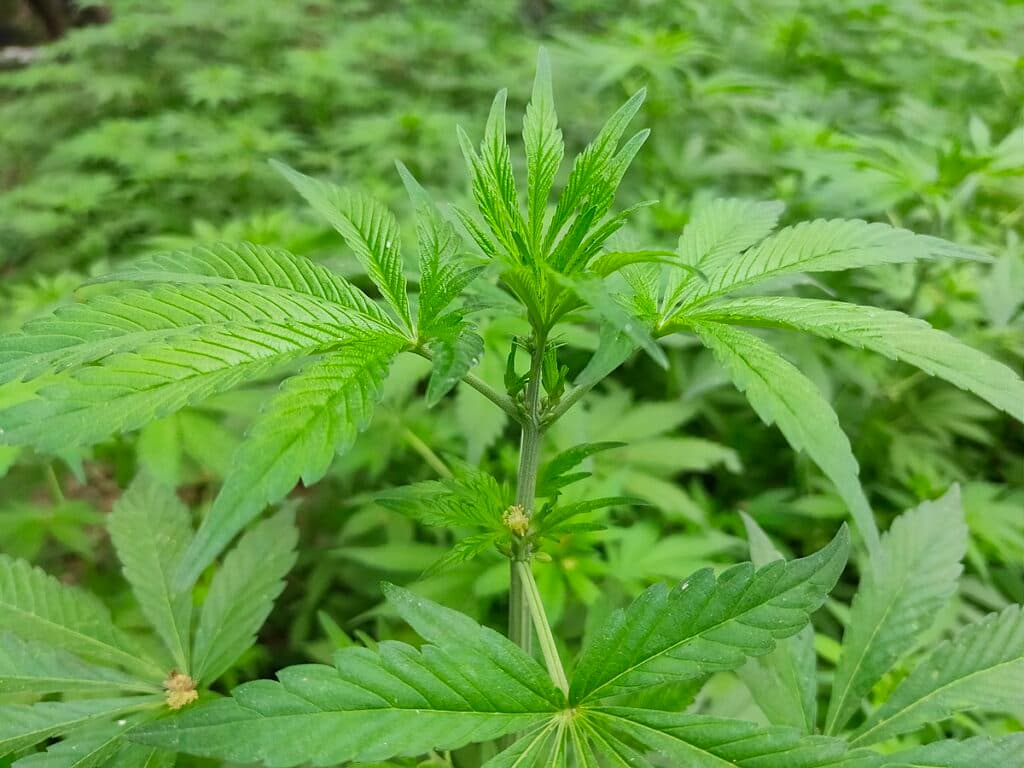
Bhang, on the other hand, is a cocktail of complex cannabinoids like THC (Tetrahydrocannabinol). It doesn't just "crash" the party; it has a VIP pass to specific "locks" in your brain called CB1 receptors. Think of alcohol as a general power outage, while bhang is more like someone rewiring your Wi-Fi router.
When we look at bhang vs alcohol effects on brain and body, the "vibe" is dictated by biology.
The biggest trap for the uninitiated is the bhang vs alcohol high: Onset and duration.
Alcohol is a sprinter. Within 20 minutes of your first sip, you’re feeling it. Because it’s absorbed quickly, you usually know exactly how drunk you are.
Bhang is a marathon runner. Because you eat or drink it, it has to survive your stomach acid and then get "upgraded" by your liver into a much stronger version of itself (11-hydroxy-THC). This process can take over an hour. This is why many people make the rookie mistake of thinking "this isn't working" and taking a second glass, only to find themselves glued to the couch three hours later.
So, is bhang safer than alcohol? Scientific comparison suggests that while neither is "harmless," they carry very different risks.
In the world of how is bhang different from alcohol 2026 facts, the takeaway is simple: Alcohol is a social lubricant that eventually shuts the system down, while Bhang is a sensory enhancer that can last all day. One is a chemical fire, the other is a slow-burning incense stick.
Whether you're celebrating Holi or just curious about the science, remember that Bhang plays the long game. Respect the leaf, know your limit with the liquid, and never underestimate the power of your liver!