

For a long time, if there’s one style of gin that has dominated gin conversations, it has to be London Dry gin. Even though London Dry gin enjoys its fair share of popularity, India is seeing the rise of craft gin. The rise of craft gin distilleries has introduced Indians to homegrown gins made with Indian botanicals. And this has stirred a new conversation about whether Indian craft gin is overtaking the traditional London Dry gin.
In this article, we’ll shed more light on the Indian craft gin vs London Dry gin debate and help you distinguish between the two major gin styles in India.
Even though the name contains “London”, a London Dry gin doesn’t have to be made in London. The name refers to the style and set of production requirements rather than a geographical location.
A London Dry Gin is typically associated with a pronounced juniper character, a dry profile, and a carefully balanced combination of botanicals.
Alongside juniper, common botanicals include coriander, angelica root, orris root, citrus peel and various spices.
The idea defining a London Dry gin is that the botanicals are distilled with the spirit, creating an integrated flavor profile rather than simply adding flavors to the finished spirit.
London Dry is therefore easy to recognize. It tends to be dry, crisp, and juniper-forward with a defined structure. This makes it well suited to classic cocktails such as the Martini, Negroni and Gin & Tonic.
Craft gin, unlike London Dry, isn’t a single, defined style. The term generally refers to the gin collectively produced by smaller or independent distilleries. The emphasis is often on artisanal production, local botanicals, and distinctive experimentation. This means craft gin can take many different forms.
Indian craft gin makers are shifting away from the notion that gin has to be juniper-forward. They are using more local ingredients and honoring ancient Indian craftsmanship.
Indian distillers have access to an enormous variety of spices, herbs, flowers, fruits and regional botanicals. These ingredients have become a major source of inspiration for contemporary Indian gin.
Also Read:
The biggest difference distinguishing craft gin from London Dry gin is centered around juniper.
For a classic LondonDry, juniper is the star of the show. Its characteristic piney, resinous and slightly peppery flavor is what gives the spirit its unmistakable gin identity. While other botanicals are important, they generally work around the juniper.
Other botanicals are important, but they generally work around the juniper. Craft gin doesn't necessarily follow the same hierarchy. In fact, many craft gins allow other botanicals to shine along with juniper.
London Dry gin has a more recognizable structure than craft gins. It is generally dry, juniper-forward, and balanced, with citrus, spice, and other botanicals adding layers of complexity.
If you are drinking a classic London Dry, you know what to expect in each sip. The presence of a structure makes London Dry the go-to style of gin for gin cocktails like a Martini and Negroni.
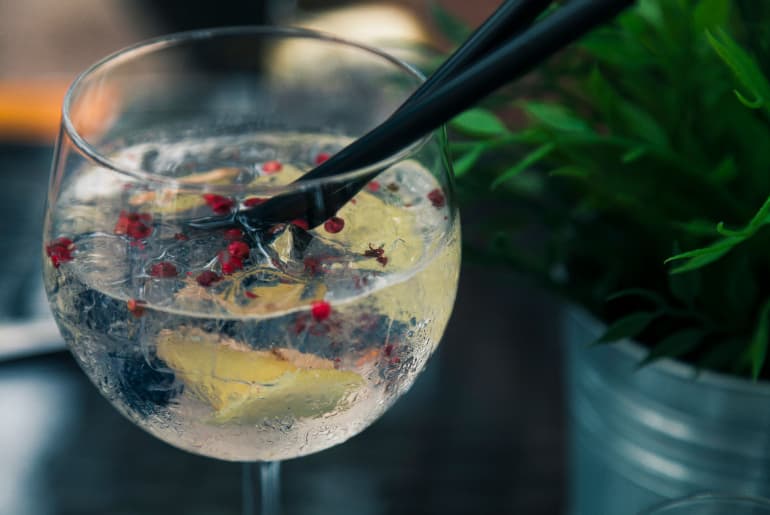
A Martini, for instance, relies heavily on the character of the gin itself. A Negroni needs a gin that can hold its own against bitter Campari and sweet vermouth.
Craft gin, as the name suggests, has more room for the ‘craft’ to shine. This is where distillers get creative.
Because craft gin isn’t restricted to a particular structure, there is more room for experimentation. The experimentation can involve everything from the ingredients used to the way they are distilled. Some craft gins use local, seasonal botanicals, while others may look for unique ways to produce the gin.
In India, this has resulted in gins featuring ingredients such as cardamom, pepper, tea, ginger, local citrus, herbs and flowers. The result can be a spirit that takes inspiration from local heritage instead of the traditional juniper-led profile.
If London Dry focuses more on structure, craft gin is more about expression. Craft distillers can use botanicals to create a specific experience. Think of craft gins that can use Indian botanicals like cardamom, nutmeg, local tea, ginger, local flowers, and even roots that are found specifically in the Indian soil. Ingredients that are familiar in Indian kitchens can take on an entirely new role in the glass.
So the result is a craft gin that is unique in its own sense. One gin can be bright and citrusy – the other can be spicy and peppery. Another could be floral and aromatic. In terms of flavors, there is endless variety and room for experimentation.
So the main question arises: “Is Indian craft gin better than London Dry gin?”
Indian craft gin is not necessarily better than London Dry gin.
Comparing the two as though one is objectively better than the other misses the entire point because they represent two different approaches to gin.
London Dry gin focuses more on tradition, dryness, structure, and most importantly, juniper. Craft gins, on the other hand, have more freedom to experiment. So the result is often an experimental, distinct, and contemporary gin that plays with flavors and production methods.
Your preference ultimately depends on what you enjoy.
If you like the classic piney character of juniper and want a gin that works beautifully in traditional cocktails, a London Dry is an excellent choice. But if you enjoy discovering unusual flavors and want to explore citrus, spices, flowers, herbs and other botanicals, Indian craft gin offers plenty of options.
India's craft gin scene has grown significantly. In recent years, Indian craft gins have begun putting Indian gin-making on the global map. Here are a few Indian craft gins to try:
Stranger & Sons is one of the best-known names in the Indian craft gin industry. Crafted by Third Eye Distillery in Goa, it is infused with local regional spices and unique ingredients like Gondhoraj lemons and turmeric. One can try Stranger & Sons’ unique expressions like Perry Road Peru, Sherry Cask Aged Gin, and FILTR, a cold-brew filter coffee liqueur/spirit made with Subko.
Hapusa Himalayan Dry Gin is the only Himalayan Dry gin in the world and is made by NAO Spirits. Its botanical profile showcases ingredients associated with the Himalayan region, including Himalayan juniper. This gives it a distinct taste different from a conventional London Dry.
Greater Than Gin is produced by NAO Spirits and is an award-winning craft gin brand made in India. It was among the first brands that helped introduce the contemporary Indian craft gin movement to a wider audience. Its relatively approachable style also makes it a useful starting point for drinkers who are beginning to explore Indian craft gin.
Also if you're interested in buying Greater Than Gin, you might find our guide on where to buy Greater Than Gin super helpful!
Jaisalmer Indian Craft Gin, produced by Radico Khaitan, is one of the most recognizable craft gins in India. Inspired by Rajasthan's golden city, it uses 11 botanicals, out of which 7 are sourced from across India, including local coriander and vetiver from Jaisalmer, Darjeeling green tea, and lemongrass. The result is a smooth, citrus-forward, and earthy gin that is perfect for sipping as well as in cocktails.
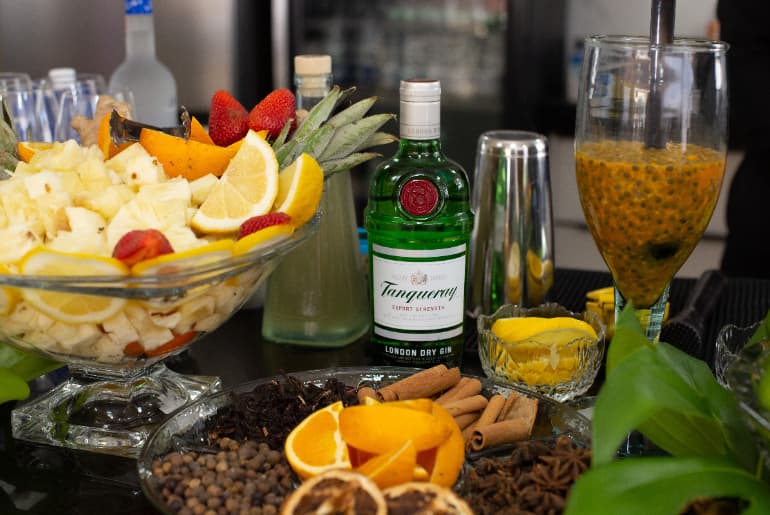
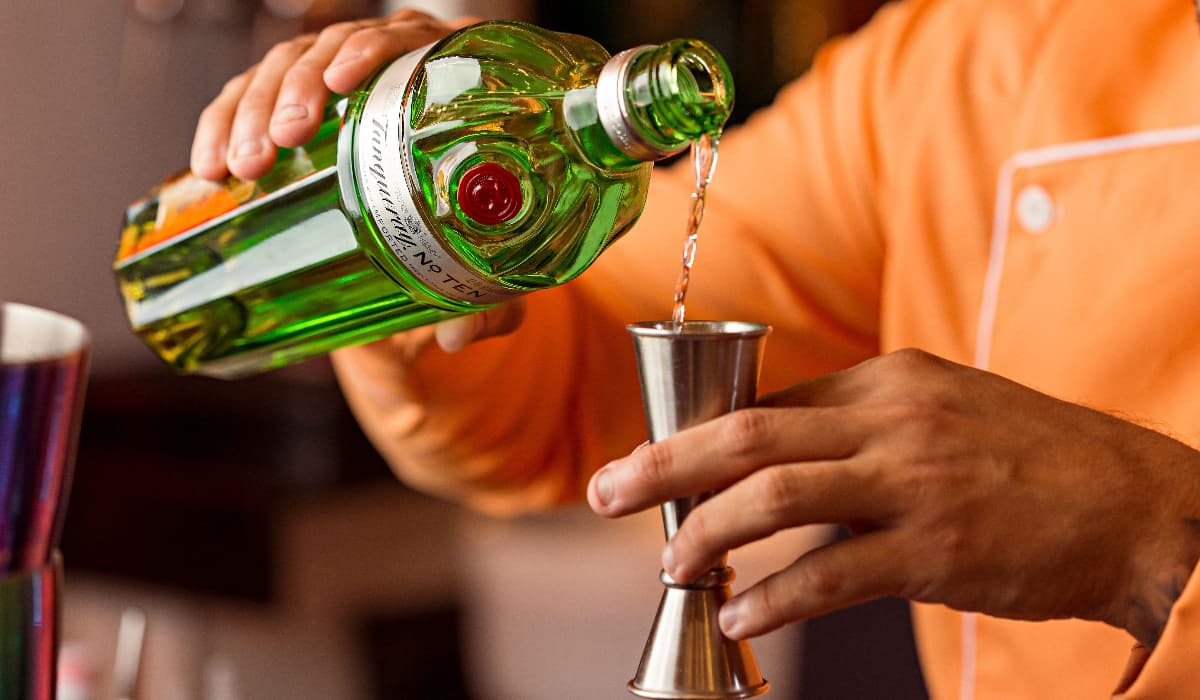
No list about the best London Dry gin brands is complete without Tanqueray. It is juniper-led with a dry profile and is a popular choice for classic gin cocktails. This famous London Dry Gin, created in 1830 by Charles Tanqueray, is known for its distinct green bottle that resembles a cocktail shaker.
Beefeater London Dry Gin is yet another renowned name in the classic London Dry gin. It showcases the traditional London Dry style, with juniper supported by citrus and other botanicals. Created in 1876 by James Burrough, it is made using nine botanicals, including juniper, Seville orange peel, and lemon.
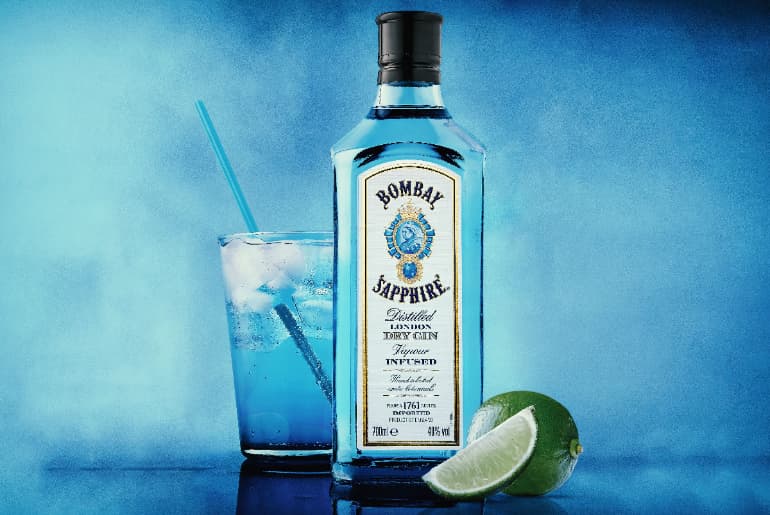
Bombay Sapphire is one of the most well-known and respected gin brands in the world. It is known for its botanical-forward approach, with its bright blue bottle gaining an iconic status. The gin is made using ten hand-selected botanicals via a vapor-infusion process. And did you know that Bombay Sapphire has an intriguing Bombay connection?
The easiest way to understand the Indian craft gin vs London dry gin debate is to individually taste them side by side.
Start with a classic London Dry. Pay attention to the juniper, citrus, spice and dry finish. Notice the aroma and the mouthfeel of the gin.
Then try an Indian craft gin. Depending on the bottle, you may notice citrus, flowers, herbs, spices, tea or other distinctive botanicals competing for attention.
Neither style of gin is inherently better than the other – it depends on your preferences.
In this article, we’ve highlighted the Indian craft gin vs London dry gin debate. No style of gin is objectively better than the other, ultimately it all comes down to your preferences. Indian craft gins focus more on experimentation and flavors, while London Dry gin is focused more on juniper and a defined structure.