
What’s most amusing about Japan? It’s not just the bullet trains, the cleanliness, or the kindness of the people, but also the country’s unique secrets. Some of these secrets can only be experienced and cannot be replicated. In fact, when it comes to drinks, Japan falls squarely into that category. You might be tempted to recreate the incredible drinks you enjoyed there - buying the ingredients, finding the recipes, or sourcing the exact brand of shochu or sake. However, none of that will truly replicate the experience.
Japan’s drinking culture is less about what’s in the glass and more about the tools and skills that are often beyond your reach. It involves techniques that bartenders have spent decades perfecting and ingredients that may be homegrown by the bar owners themselves. Additionally, traditional Japanese drinks that have been enjoyed for generations are often deeply tied to rituals, seasonal customs, and local identities.
Here are five drinks that you might find it nearly impossible to recreate at home:
Japanese draft beer, when poured correctly, is an impressive feat of engineering. Some beer bars in Japan can create a foam cap on the beer so dense that you can balance a coin on it - something you can only dream of achieving at home. This foam isn’t just for aesthetics; it actually slows the beer from going flat and helps to lock in the aroma. While you may be able to approximate the multistage pour that most bars in Japan utilize, you won't be able to replicate it perfectly.

Love draft beer? Read here on what your favorite beer style says about you!
The unsobered team can bet that you cannot source or grow yuzu, sudachi and kabosu outside Japan. Each of these citrus fruits have a completely different personality from a lemon or lime and are so specific to a season.
For example, a sudachi-shochu highball made with fruit that was harvested the morning you visited the bar is vastly different from the same drink prepared at home using bottled yuzu. While bottled versions of these citrus concentrates are available, they tend to lose their top notes within a few days of pressing. Consequently, the fresh version is very difficult to replicate, as you lack not only the recipe but also the seasonal ingredients and the supply chain.
So, while you may club these all under the banner of lemon sour - tangy cocktail of shochu, lemon juice, and soda water that is perfect for warm weathers, you will find a different version of each in every different bar you visit right there in Japan.
Amazake is a unique drink that is typically found in mountaintop huts and serves as a great motivation to help you descend. It has a very mild alcohol content because it is fermented, and it resembles a variant of sake. Its texture is thick, sweet, and milky, similar to oatmeal, due to the fermented grains of rice that make it chunky and filling.
Amazake dates back to the Kofun period and belongs to a family of Japanese foods made using the mold Aspergillus oryzae, which also includes miso, soy sauce, and sake. It is rarely found in bars and is often served in nondescript huts without signage, making it hard to come by, even in Japan. Reproducing this drink in your kitchen feels like a distant dream.
The awamori is one of Japan’s oldest spirits and originates from Okinawa – most popularly known as the Blue Zone or better known as one of the few places where on an average people live longer than 120 years. The recipe for this drink remains unchanged for over 500 years and you need a malt of Thai rice till it forms the famed black mold koji. Yeast and water work their magic till it is fermented and distilled. Since this specific black mold is found only in Okinawa, and not your home kitchen, it is but of course difficult to replicate outside of the islands.
This is another uniquely Okinawan spirit – and is deeply tied to Okinawan traditional culture. It is made by soaking a venomous pit viper or habu in awamori. With a powerful punchy flavor, the drink has a combination of awamori and extracts from habu – it is slated to boost stamina and overall wellness. With an alcohol content to up to 40% it is rarely found outside Okinawa and is best enjoyed in small amounts. It is usually recommended to sip it in small shots – and can also be enjoyed on the rocks with ice to mellow its intensity.
Japanese liquor got you excited? Here are the 5 best Japanese gins to try in Mumbai!
Umeshu looks deceptively simple: green ume plums, rock sugar, and shochu or sake left to steep until the fruit releases its tart perfume. But the versions you remember from Japan are rarely just about the formula. They depend on plums picked at exactly the right moment in early summer, a house ratio guarded by the maker, and months- sometimes years of patient ageing.
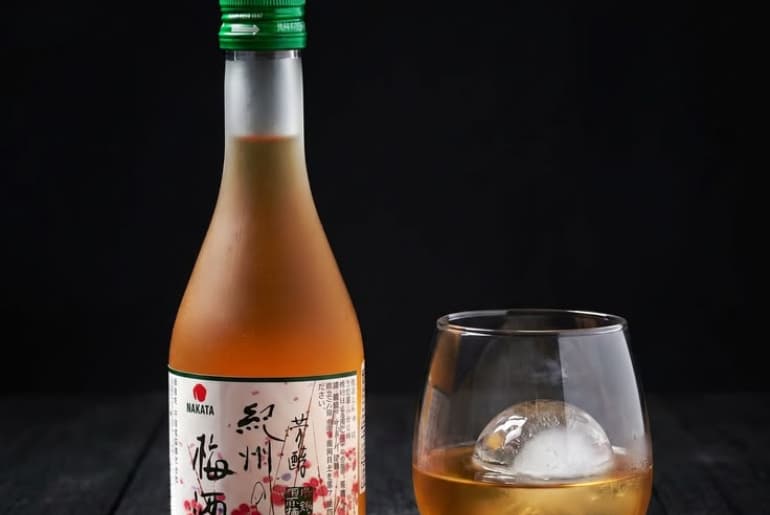
Yes, umeshu is often made at home in Japan, but that is precisely what makes it difficult to recreate elsewhere. The best bottles carry the taste of a particular season, region, and family habit. Outside Japan, you may find bottled versions or attempt your own, but without fresh ume and the quiet ritual around making it, the drink loses much of what makes it feel so Japanese.
Japan's most unique drinks are hard to make at home because their taste goes beyond just the ingredients. Whether it’s perfectly poured draft beer, fresh Japanese citrus, warm amazake from mountain huts, Okinawan awamori, habushu, or aged umeshu, each drink reflects its unique location, season, tradition, and skill.
.png&w=3840&q=100)