
Ladakh Lieutenant Governor Vinai Kumar Saxena approved a new excise policy on Sunday, May 31, 2026. on Sunday. The new excise policy permits the sale of hard liquor through retail vends, reducing documents required to obtain a license from sixteen to six. Let’s take a look at the new restrictions on the Ladakh Excise Policy.
Ladakh’s Lieutenant Governor Vinai Kumar Saxena approved a new excise policy that will permit the sale of hard liquor through retail vends. This will reduce documents required to obtain a license from sixteen to six; it will also extend the liquor availability to four more districts.
The existing regime had led to an artificial scarcity of liquor, encouraging the consumption of smuggled liquor as well as low-quality liquor and narcotic substances.
Under the new policy, the sale of hard liquor, including Foreign Liquor and Indian Made Foreign Liquor (IMFL) has been permitted through retail vends. Before, only beer, wine, and ready-to-drink beverages could be sold through retail outlets, as per officials.
Also Read: Goa Might Soon Ban Glass Bottles Near Beaches Amid Public Safety Concerns
In a bid to expand the availability of liquor in Ladakh, the administration has decided to open 20 liquor vends through e-auction. Compared to only two operational vends earlier, this is a major step in expanding the liquor sale in Ladakh.
Liquor availability will be extended to the districts of Nubra, Changthang, Sham, and Zanskar. Earlier, it was limited to Leh City only.
The policy will also allow the sale of liquor in guest houses and homestays upon payment of the prescribed license fee.
Beer bars with micro-breweries have been permitted for the first time in Ladakh. Hotels will be allowed to serve liquor within their premises, including guest rooms, instead of restricting consumption to bars alone.
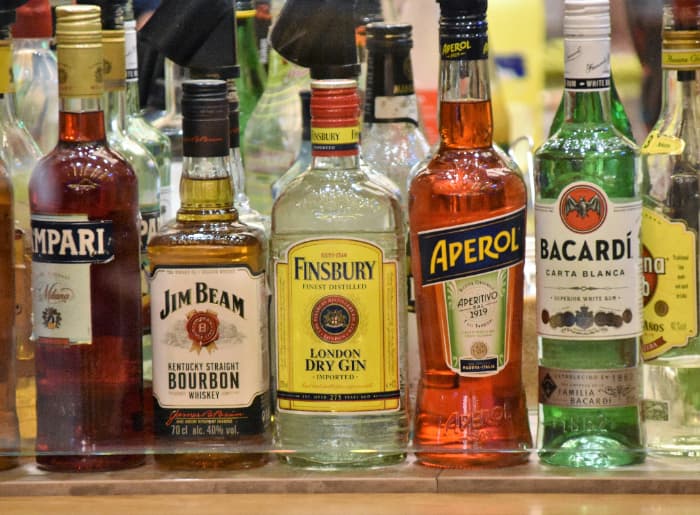
Excise duty rates on liquor, beer, and wine have been rationalized, with a simplified duty structure. This simplified structure will have a uniform excise duty of INR 500 per liter of pure alcohol across all IMFL brands.
The manufacturers will be allowed to undertake wholesale distribution of liquor to improve supply chains and availability of quality brands.
To enhance ease of doing business, there will be less documents required now onwards – from sixteen to six. The requirement of obtaining the opinion of the district administration for granting a license has also been removed.
Also Read: Uttar Pradesh Excise Revenue Hits INR 57,722 Crore in FY 2025-26
To boost revenue, the annual fee for wholesale licenses has been increased from INR 3.5 lakh to INR 5 lakh, adding that the base price for retail vends has been fixed at INR 60 lakh in Leh municipal wards and INR 30 lakh in other areas.
The new Ladakh excise policy incorporates strict enforcement measures. This includes cancellation of licenses, forfeiture of earnest money deposits for selling liquor above the maximum retail price. Manufactures and importers will be required to affix department-approved security holograms on liquor products to improve traceability and prevent duty evasion, as per officials.
The policy will also focus on environmental mandates. As part of the new Ladakh excise policy, the sale of liquor in plastic bottles has been strictly prohibited. Liquor will only be permitted to be sold in approved glass bottles, PET bottles, and tin cans.
Ladakh’s new excise policy will mandate the liquor vends to comply with a minimum distance of 100 meters from religious places, educational institutions, hospitals, and public parks, in line with government regulations.
The objective of the policy is to curb the growing dependence on narcotics, and provide wider access to low-alcohol-content beverages. The administration has been committed to provide transparency, accountability, and public welfare while implementing the new excise regime across Ladakh.
Also Read: Chandigarh Excise Policy 2026-27: Liquor Prices Set For Marginal Hike From April 1
The new Ladakh excise policy has been aligned to ensure transparency, reduce illegal and ill-quality alcohol, and contribute to public welfare. With restrictions eased, liquor availability expanded, and license fees increased, the new Ladakh excise policy will definitely see a more liberal approach towards liquor availability in the Union Territory.