
You walk into a liquor store, head to the whisky section and find a 25-year old whisky sitting beside a 12-year old bottle. Which one do you pick? The older expression will be the more expensive one and naturally one would assume that the older expression will also be the better tasting one. After all, who wouldn’t spending more time inside a wooden cask make the spirit better?
Whisky ageing involves several factors beyond just the cask used or the amount of time it's left to mature. Understanding these factors can help you better understand which expression is the best for your bar.
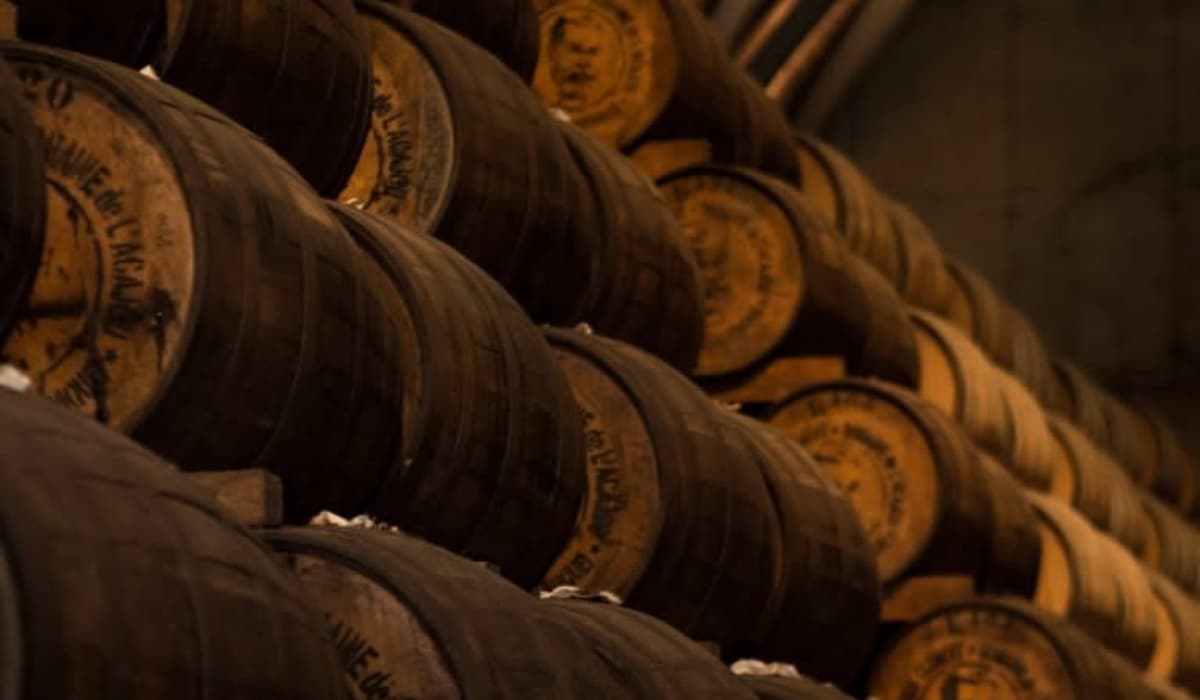
Before the wooden cask enters the process, whisky is just a clear spirit. During the time it spends inside the cask, the wood helps shape color, aroma and flavour. Oak casks help introduce newer flavors such as vanilla, coconut, spice and even tannins depending on the type of wood and its previous content.
This process involves chemical reactions that help mold the flavor. Once oxidation takes over it softens certain characteristics and develops new aromas. The evaporation process helps reduce the amount of liquid that stays inside the cask. These changes help shape the whisky’s eventual character.
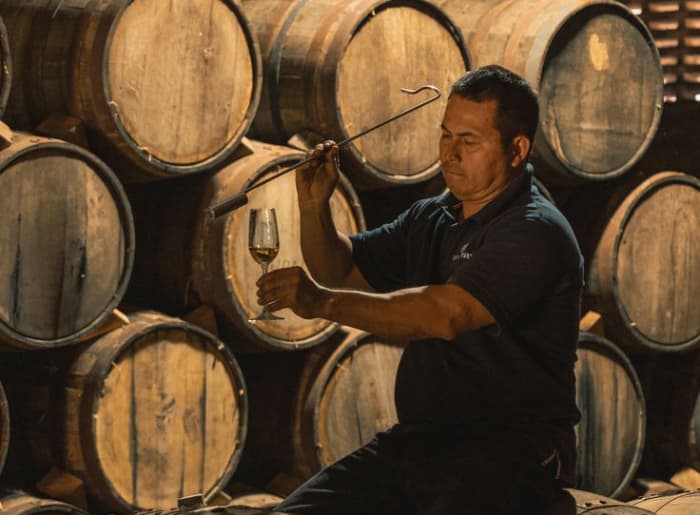
Whisky doesn’t always get better with time as the additional maturity enhances its woody and spicy character. Each whisky matures at its own time, therefore it isn’t necessary that an older expression is always better.
A whisky’s age statement is not an indicator of how old all the alcohol inside the bottle is. For example a blend can be 99%, 18-year-old Ledaig and 1% three-year-old grain whisky. The age is an indicator of the age of the youngest whisky within the bottle.
Once the whisky is taken out of the wooden cask and bottled the process stops. Whisky exposed to oxygen and sunlight can show subtle changes, this is known as the old bottle effect, this is different from traditional cask maturation.
The climate it is brewed in significantly impacts the ageing process. Changes in temperature affects how the spirits might interact with wood, while humidity causes evaporation. Scottish whisky casks usually lose around 2% of their volume. In regions with hotter climates, the evaporation rate is high thereby being influenced due to the different climate conditions.
Wondering what the shelf life of whiskey is? Find out how long it lasts and how to store it properly.
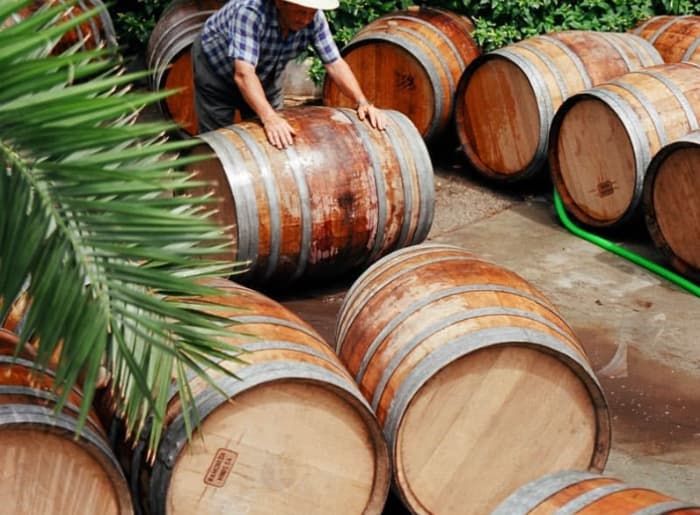
Malt whisky produced at a single distillery is where single malt comes from. Single cask is the term used for whisky made from one individual cask. A producer can combine whisky from multiple casks to achieve the desirable flavor.
Angel’s share is a process of evaporation as less liquid remains after a prolonged maturation, thereby reducing the availability of whisky. Longer storage periods tend to lead to limited stock and thereby increase the price without a guarantee of better flavor.
Yes, the type of cask you use plays a major role in creating the flavor. An American oak usually gives you vanilla and coconut notes while a European oak gives you strong hints of tannins and dried fruit. The previous contents of the cask also influence the expression. Ex-bourbon or sherry casks give you different characteristics, therefore two whiskies at the same age can taste differently.
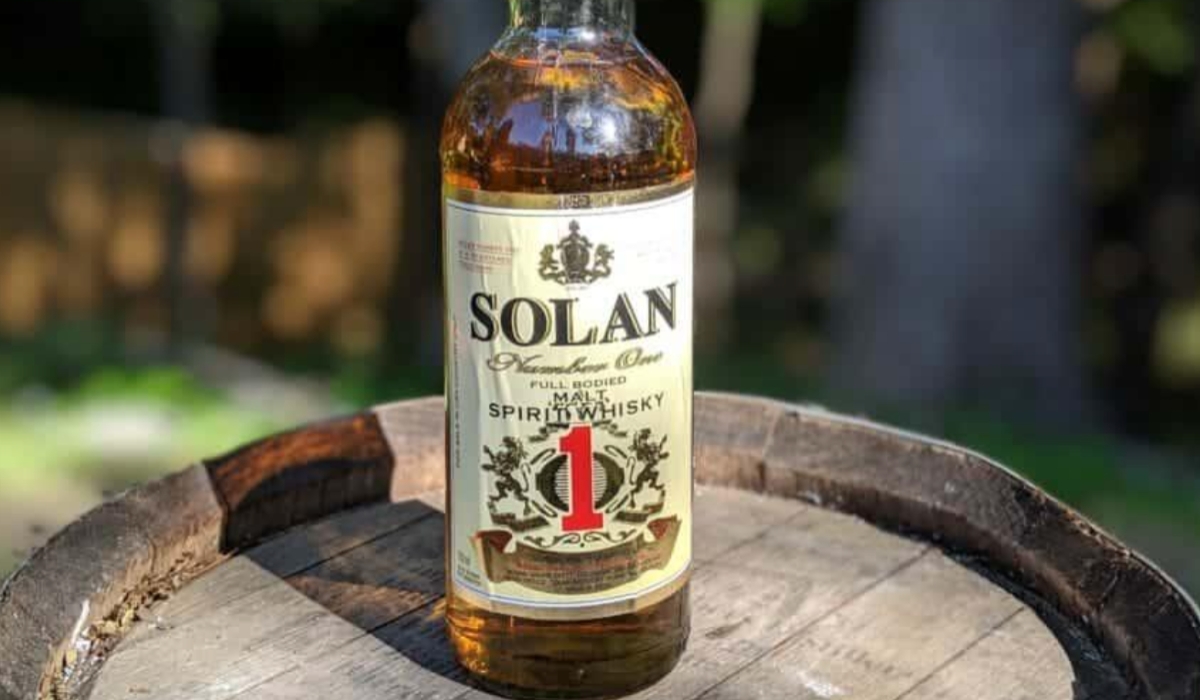
Ever heard of Solan No. 1, one of India's historic whisky labels? Discover the story behind this iconic Indian whisky.
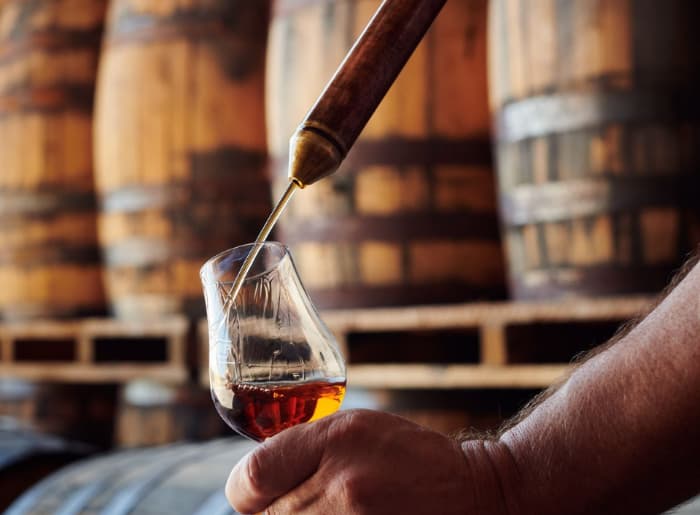
Younger expressions are distinct and lively. You often find characteristics such as fruit, spice and peat smoke. Older whiskies tend to acquire soft tannin and distinct aroma due to a prolonged maturation process. A lot of the other characteristics develop based on the various maturation conditions.
Ever wondered which vineyard and distillery tours in India are worth exploring? Discover 5 of the best experiences for alcohol lovers.
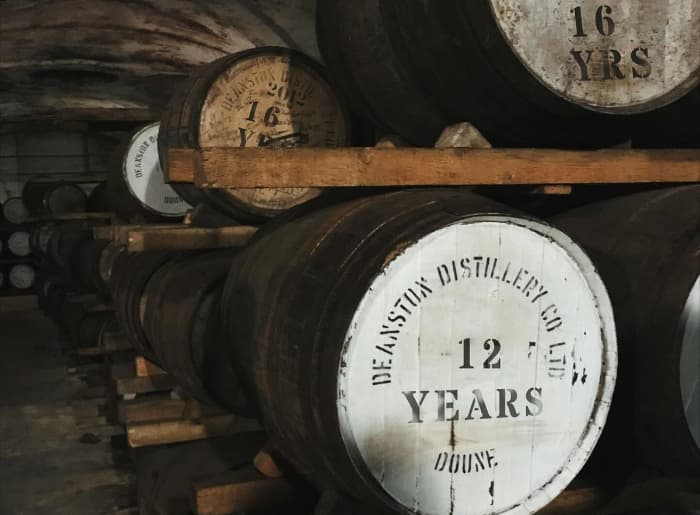
Non-age-statement whisky, commonly called NAS whisky, doesn't display a specific maturation age. This doesn't automatically make it inferior.
Non-age-statement whisky also known as NAS whisky, are bottles that don't showcase a particular maturation age. This does not mean a whisky is inferior. NAS allows producers to focus on balance, cask selection and the character of the finished spirit, an example of this is Johnnie Walker Blue Label, showcasing how a combination of different whiskies can achieve a desired flavor profile.
Whiskey vs bourbon: What's the difference, and which should you choose? Find out what sets them apart.
The information presented in this article has been primarily sourced from The Whisky Club, with additional references from the Scotch Whisky Association, Bruichladdich Distillery, and the Scotch Malt Whisky Society. These sources provide information on whisky maturation, age statements, cask influence, flavor development, and common misconceptions surrounding whisky aging.
So, does older whisky always taste better? Long answer short, the quality of the cask, the maturation conditions and other such factors influence the nature and quality of the whisky in different ways. When you’re comparing an older expression vs a younger expression or a NAS expression, understanding its production is a useful indicator of how the whisky will turn out instead of judging by the labels.
Age can influence complexity, but it doesn't guarantee quality. Whether you're comparing older vs younger whisky or exploring an NAS expression, understanding its production and flavor profile is more useful than judging it by the number on the label.