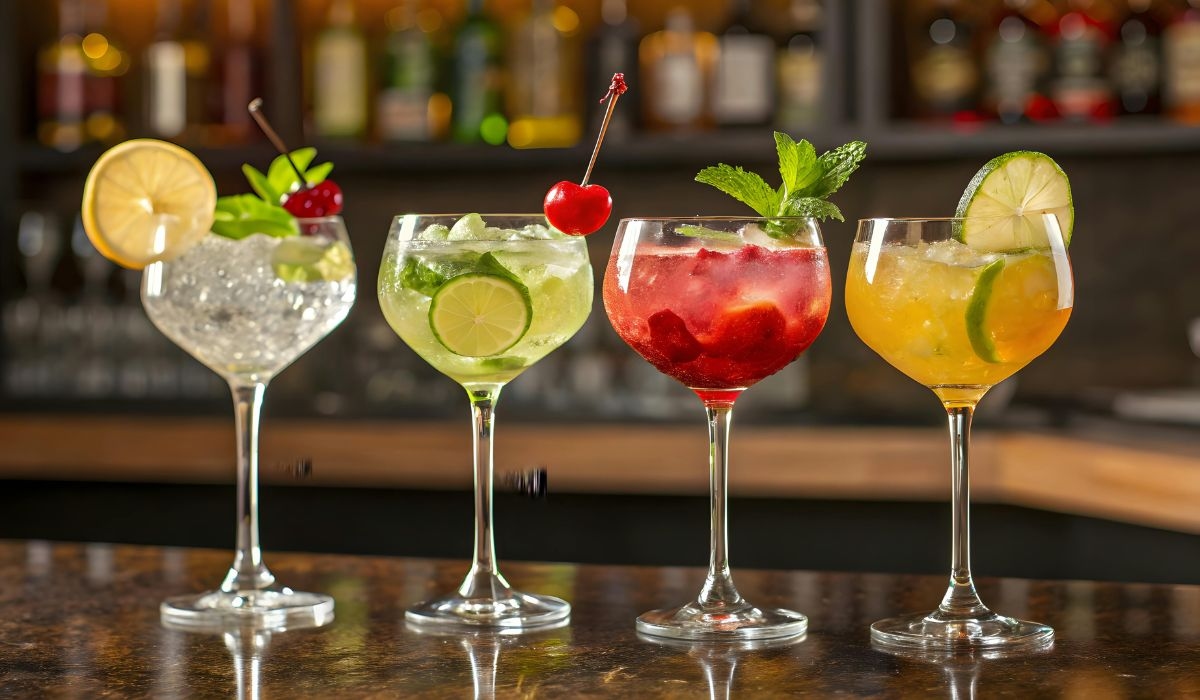

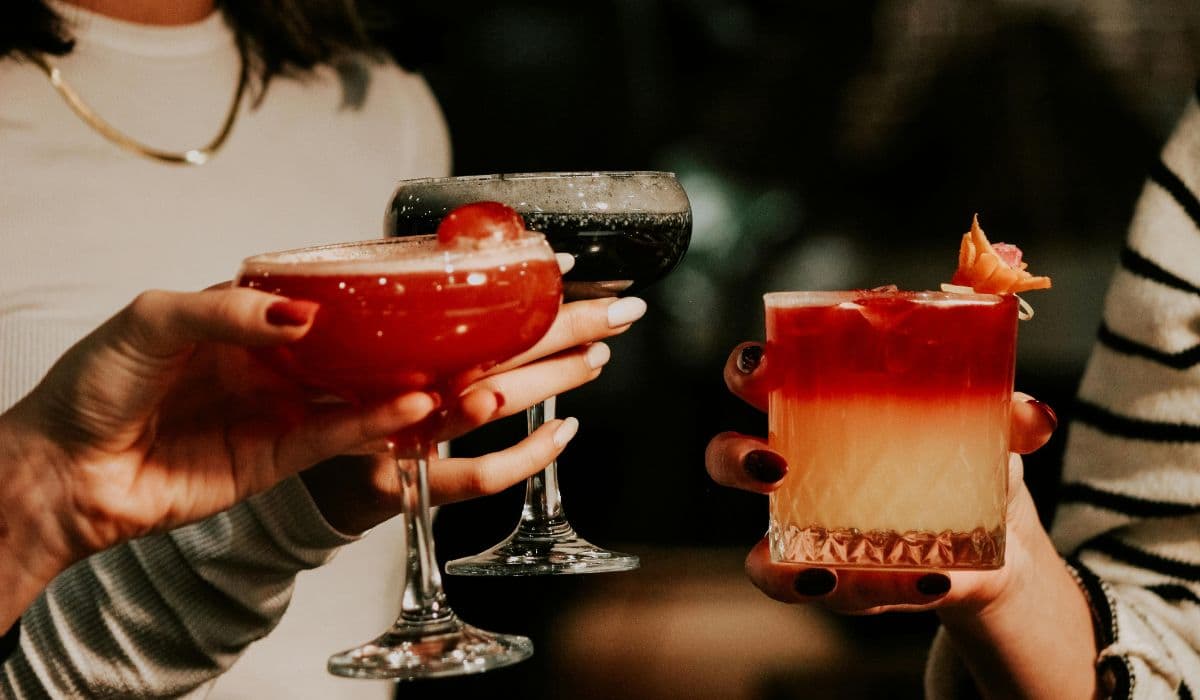
The cocktail scene has undergone a quiet revolution, both in India as well as around the world. Classic, sugar-heavy drinks are taking a backseat; now is the time for crisp, low-calorie, low-sugar alternatives. Known as “skinny cocktails,” these are a modified form of beverage that trades in syrupy mixers, high-fructose corn syrups, and heavy liqueurs for fresh citrus, sparkling water, natural sweeteners, and clean spirit bases. In this unsobered guide, we are going to explore the precise definition of skinny cocktails, the key factors driving consumer demand, how bartenders construct lighter drinks without compromising taste, and simple recipes you can make at home.
Traditionally, cocktails like a classic Piña Colada or Margarita often contain more than 300 to 500 calories. They also often contain more than 30 grams of sugar due to premade sour mixes and liqueurs.
.jpg&w=1920&q=75)
Skinny cocktails, on the other hand, typically clock in between 70 and 150 calories with minimal or zero added sugars. As such, they make for a more health-friendly drink for those who either are diabetic or want to be careful about what they put in their bodies, without really compromising on good times.
The base spirits utilized for skinny cocktails are typically cleaner and clear spirits like vodka, tequila, or London dry gin, as opposed to sugary liqueurs. Mixers include club soda, seltzer, diet tonic, or flavored sparkling water, over and above sugary sodas and tonic water.
What is more, the flavors of the skinny cocktails are boosted using freshly squeezed lime or lemon juice, muddled herbs like mint and basil, and fresh whole fruits. Instead of plain sugar or syrup, sweeteners like agave nectar, stevia, monk fruit, or honey are used.
Also Read: What Is Rượu Cần? The Vietnamese Rice Wine You Drink Through Bamboo Straws
Consumers in this day and age are increasingly health-conscious. They go out of their way to seek out balance rather than total elimination of a certain aspect of their lifestyle, like drinking. This skinny cocktail trend is emblematic of this precise inclination in today’s consumers. It aligns with the broader dietary choices made by today’s consumers, like low-carb, keto, or gluten-free lifestyles, where liquid sugar is actively avoided.
Countless studies have indicated that high sugar levels accelerate dehydration and exacerbate hangovers, headaches, and fatigue during the following morning. Such cocktails that are lighter and built with effervescent soda water can promote better hydration while drinking.
Recent surveys and studies have also found that modern drinkers favor subtle, herbal, and citrusy profiles rather than overly cloying, syrupy tastes. This means that the focus of the consumers has moved away from traditional, calorie-heavy cocktails toward highlighting the natural botanical notes of high-quality craft spirits.
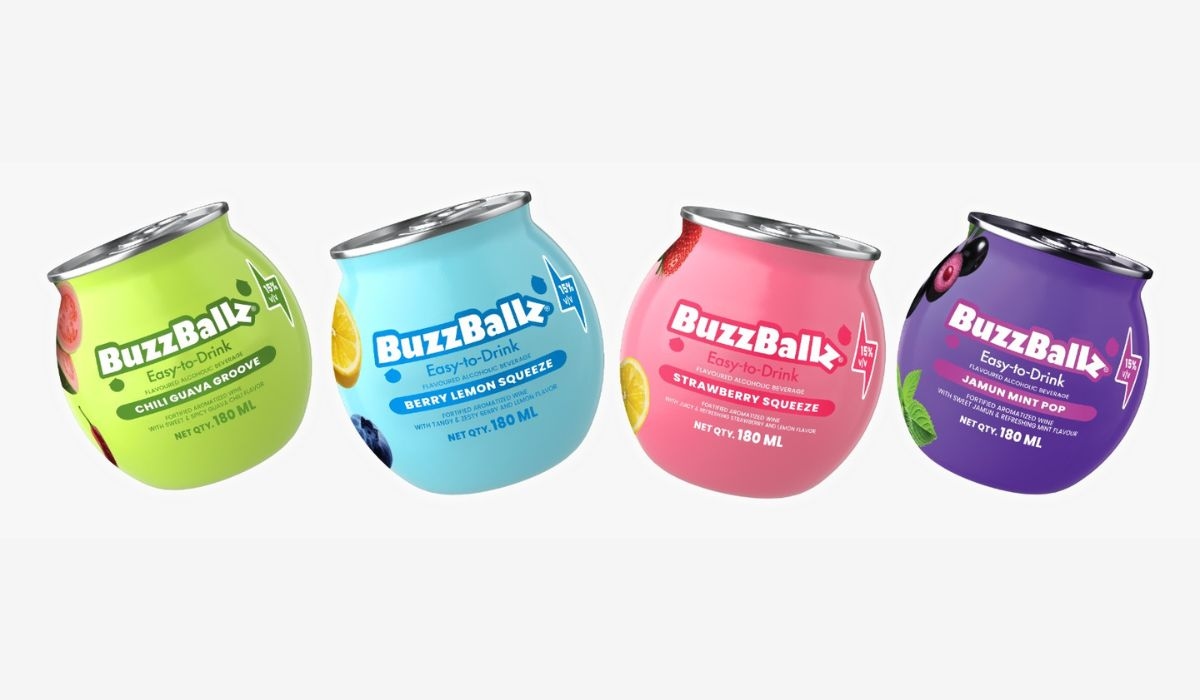
The rise of canned hard seltzers and low-ABV Ready-To-Drink (RTD) canned cocktails have also significantly influenced choices of the consumers. They have conditioned consumers to expect light, 100-calorie refreshing drinks at bars and home gatherings alike.
.jpg&w=1920&q=75)
What You’ll Need
1.5 oz Blanco Tequila
1 oz fresh lime juice
0.25 oz agave nectar
Splash of club soda
How To Make: Shake tequila, lime juice, and agave with ice. Then, strain the mixture over fresh ice. Finally, top the concoction with soda water.
What You’ll Need
1.5 oz Vodka or Gin
0.75 oz fresh lemon juice
Muddled cucumber slices
Basil leaves
Topped with unsweetened lemon sparkling water
How To Make: Muddle cucumber and basil in a shaker. To this, add ice, spirit, and lemon juice. Shake it well. After this, strain into a tall glass. Finally, finish by topping the drink with sparkling water.
What You’ll Need
1 oz Prosecco or Dry White Wine
1 oz Blanco Tequila or Vodka
Fresh muddled raspberries
Top with soda water
How To Make: Lightly muddle the berries in a glass with ice. Pour over spirit and wine. Finally, top the concoction with club soda.
Also Read: What Is Prosecco And How Is It Different From Champagne?
From the way that the demand for skinny cocktails keeps rising, it doesn’t seem like they are a temporary fad. Given their health benefits, they are certainly going to mark a permanent shift in many consumers toward intentional, flavor-first, low-sugar mixology. If you haven’t tried skinny cocktails, it is highly recommended that you do. You can experiment with fresh ingredients and light mixers on your next night out to experience what the whole skinny cocktail fuss is all about.