

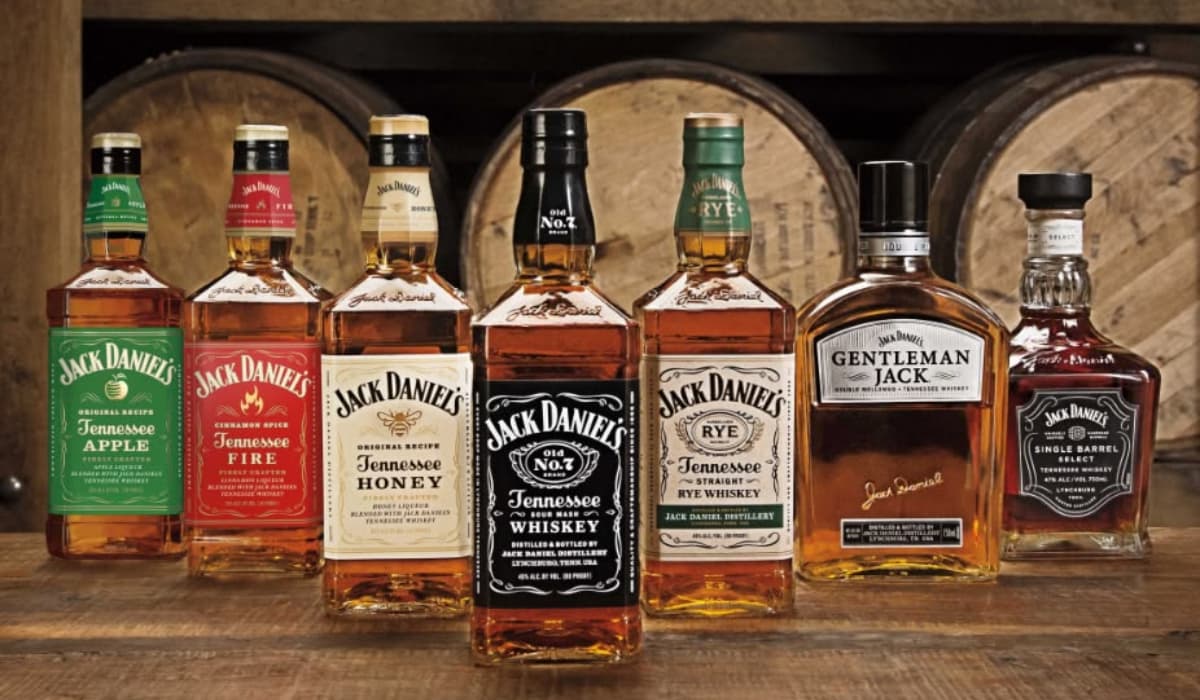
Jack Daniel's is one of the most well known American whiskeys in the world. The square bottle, black label and the flavor are all very much part of its identity. There's one question that's often asked though: why is Jack Daniel's called Tennessee whiskey, rather than bourbon?
The interesting bit is that Jack Daniel's does in fact meet the federal requirements for bourbon. The brand calls it Tennessee whiskey though, which is down to the charcoal mellowing process, the fact that it's from Tennessee and the fact that it's been established as Tennessee whiskey for so long.
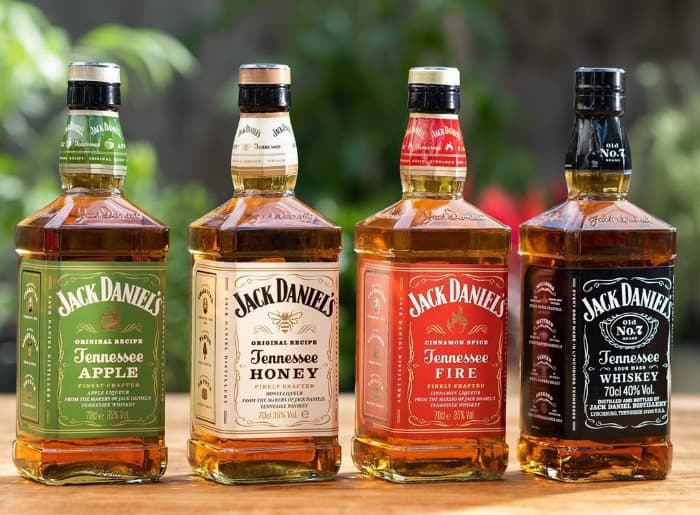
Technically Jack Daniel's Old No. 7 is bourbon as it meets the federal production standards for bourbon. It's made in the US from a grain mix containing at least 51% corn. It's distilled at no more than 160 proof, enters new charred oak barrels at no more than 125 proof and is bottled at a minimum of 80 proof.
Jack Daniel ticks all the boxes. It's a traditional grain whiskey with around 80% corn, 12% rye and 8% malted barley. It's made in Lynchburg, Tennessee and aged in new charred American oak. It does in fact qualify as bourbon. The brand just elected to call it Tennessee whiskey.
The key difference in the Jack Daniel's versus bourbon argument is the Lincoln County Process. The Jack Daniel's spirit passes through sugar maple charcoal before being put into its barrels for maturation. That's known as the charcoal mellowing process.
The process is designed to strip out certain compounds from the spirit to produce a smoother character prior to barrel ageing. While the regulations around bourbon do not prohibit the use of charcoal filtration, it has in effect become synonymous with Tennessee whiskey. Jack Daniel's use of it is a key part of its process.
The Lincoln County Process is to run the new distillate through charcoal made from sugar maple wood. At Jack Daniel's it's about 10 feet of charcoal that the spirit passes through prior to being put into new charred oak barrels for ageing.
This takes several days and is intended to mellow the spirit prior to aging. It's not the same as the charcoal treatment which is sometimes used on the finished product. It's a key part of the Jack Daniel's process and is what defines them as a Tennessee whiskey maker.
Curious about Jack Daniel’s Honey price in India? Check the latest rates, bottle sizes, and available options.
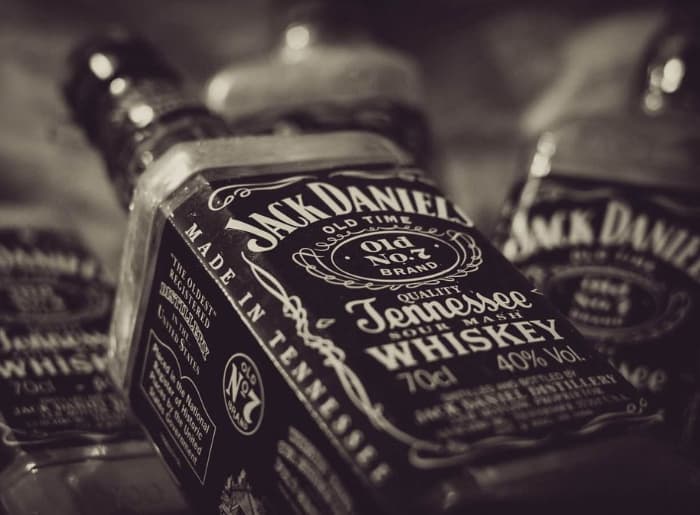
Tennessee whiskey also has a statutory definition under state law. In 2013 Tennessee passed legislation which set out the production requirements for whiskey to be entitled to the Tennessee Whiskey designation.
Under the rules, Tennessee whiskey must be made in Tennessee, contain a minimum of 51% corn in the grain blend, be aged in new charred oak barrels and be filtered via maple charcoal, with one statutory exception. That last requirement is the one that brings it into line with the federal bourbon rules, albeit with the added maple charcoal filtration which is the hallmark of Tennessee whiskey.
The law draws a clearer line between Tennessee whiskey and other American whiskeys. It doesn't however mean that Tennessee whiskey is automatically excluded from being bourbon under the federal definition of bourbon production.
Heard about Jack Daniel’s teaming up with McLaren F1 for the launch of Halo MK1 Whiskey? Discover what makes this collaboration special.
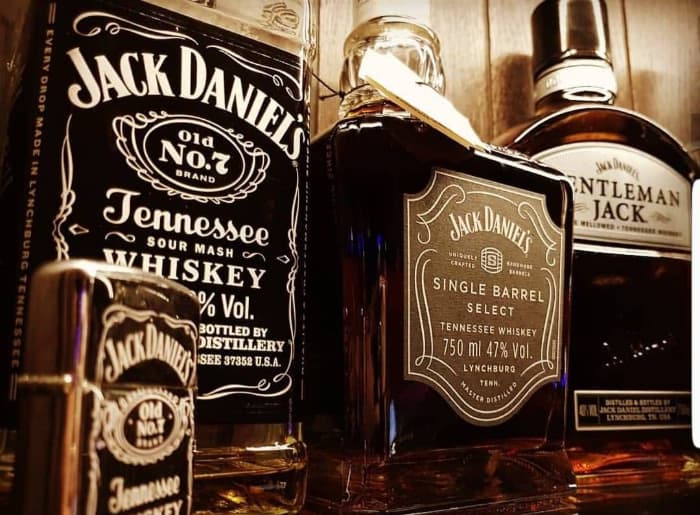
Jack Daniel's have built their entire identity on the Tennessee connection and the charcoal mellowing. They don't market Old No. 7 as bourbon, they market it as a product of the process that's been associated with Jack Daniel's for generations.
The Tennessee Whiskey designation also links the brand to Lynchburg where the whiskey is produced. Whilst many bourbon producers will use the same basic grains and barrel ageing, Jack Daniel's places particular emphasis on the charcoal mellowing as a key differentiator.
This is why the distinction isn't just about whether Jack Daniel's meets the bourbon regulations. It's also about how the brand chooses to describe its whiskey and the production traditions it wants people to associate with it.
Wondering about Jack Daniel’s Honey price in Delhi? Explore the available variants, bottle sizes, and their prices.
The information presented in this article has been sourced from Bourbon Excursions, The Whisky Shop, Brown-Forman's official brand information, The Oxford Companion to Spirits & Cocktails, and relevant US federal and Tennessee state regulations. These references provide details on Jack Daniel's production methods, the Lincoln County Process, bourbon classification requirements, and why the brand identifies itself as Tennessee whiskey.
Jack Daniel's is referred to as Tennessee whiskey for reasons relating to its method of production, where it's made, and its brand name. Its Old No. 7 does in fact meet the federal definition of bourbon, but the extra step of charcoal mellowing is what gives it the distinct character of Tennessee whiskey.
The Lincoln County Process remains the most important distinction. By filtering its spirit through sugar maple charcoal before maturation, Jack Daniel's follows a tradition that has helped define its whiskey for generations. The result is a whiskey that meets bourbon production standards and bears the Tennessee whiskey designation on its label.