
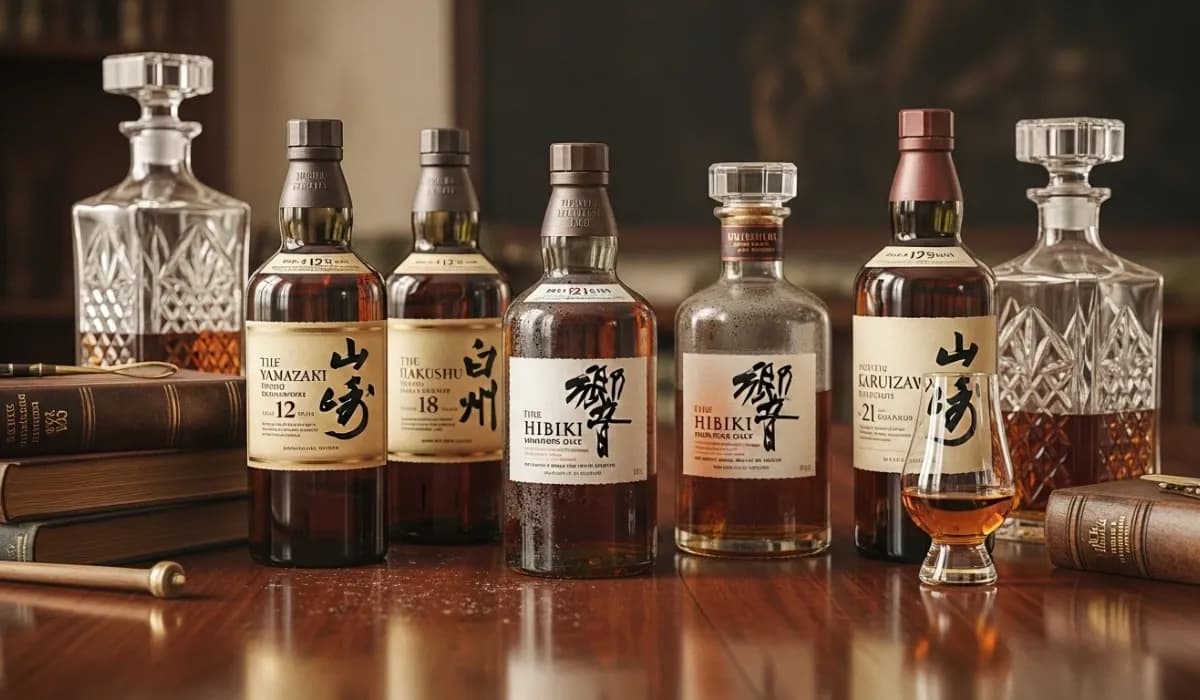
For anyone who has traveled across India has probably come to the inevitable conclusion that alcohol prices vary drastically from one state to another. A bottle of whisky that feels reasonably priced in Goa may suddenly become significantly more expensive in Mumbai, Bengaluru, or Delhi. Similarly, beer prices in tourist-heavy states often feel much lower compared to metro cities with stricter excise structures.
Alcohol pricing in India operates under a completely different taxation structure compared to most other consumer products. Since liquor falls outside the GST framework, state governments have full control over alcohol taxation, excise duties, licensing costs, and retail pricing policies. That is the biggest reason alcohol prices change so dramatically across different Indian states.
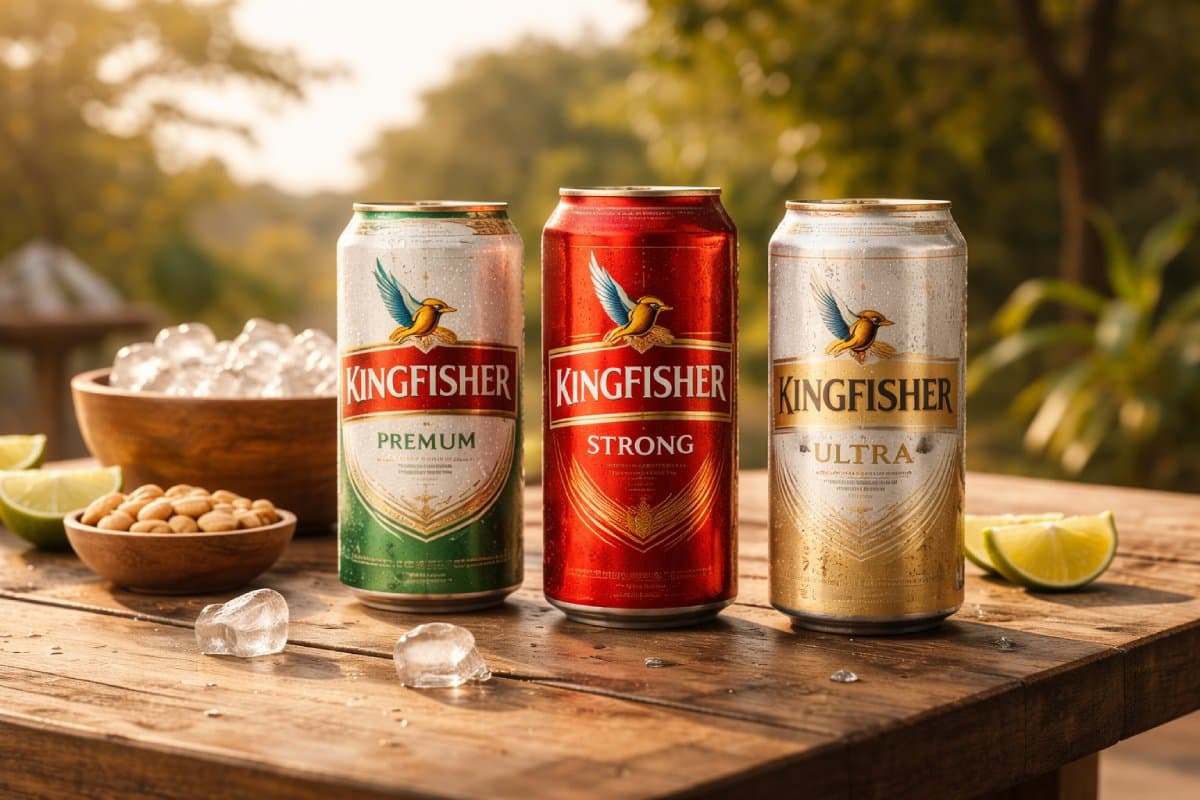
One of the biggest reasons behind price differences is that alcohol for human consumption is excluded from India’s Goods and Services Tax (GST) system. Unlike electronics, clothing, food products, or restaurant services that follow a relatively uniform GST structure nationwide, liquor is taxed separately by every individual state government.
This means states independently decide:
Also Read: Beer Price List In Mumbai 2026: Kingfisher, Budweiser & Carlsberg Rates
Excise duty is one of the largest components affecting alcohol pricing in India. In many states, taxes can account for more than half the final retail price of a bottle. For example, premium whisky, imported spirits, and beer often become far more expensive in states with aggressive taxation policies. Maharashtra and Karnataka have historically maintained relatively high alcohol taxes because liquor contributes heavily to state revenue generation.
In several cases, taxes and duties can push alcohol prices 60% to 70% above the product’s original manufacturing cost.
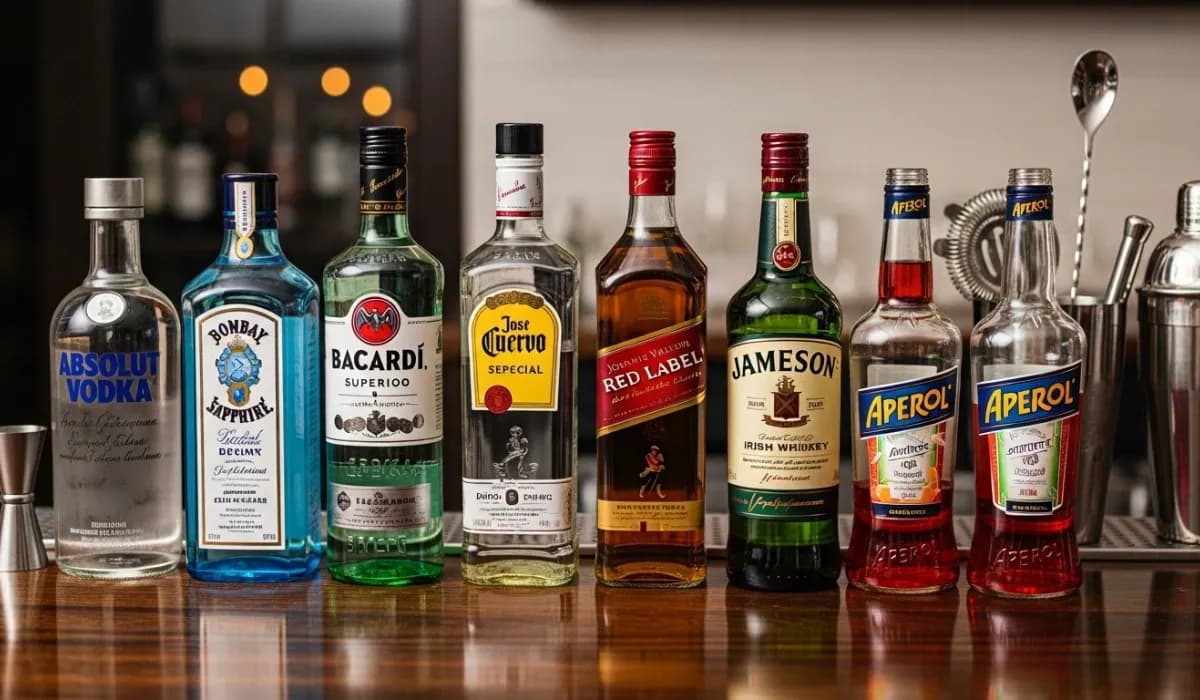
Alcohol taxation remains one of the biggest revenue sources for many Indian state governments. Since states cannot directly impose GST on most goods, excise duty on liquor becomes an important way to generate independent revenue.
This is why several states intentionally maintain higher alcohol taxes despite consumer complaints about pricing. Premium alcohol categories, imported spirits, and luxury liquor segments are often taxed more aggressively because consumers purchasing these products are considered capable of absorbing higher costs. In simple terms, alcohol is not just a consumer product in India. It is also a major taxation tool for state governments.
Tourism-focused states like Goa and union territories such as Puducherry tend to go in the opposite direction. Instead of maximizing tax revenue per bottle, these regions keep excise duties relatively low to encourage tourism, nightlife, hospitality spending, and restaurant culture. Lower liquor prices help attract tourists while supporting bars, beach shacks, clubs, breweries, and hotels. The lower pricing structure has become part of the overall tourism economy itself.
Another major factor affecting alcohol prices is interstate transportation and import-related costs. Whenever liquor moves from one state to another, companies often face:
As these costs are added up, they give the customer the final retail price to pay at stores, bars, and restaurants. Imported alcohol faces even higher pricing pressures because international customs duties get added before state-level taxes are applied.
Consumers are often surprised to see the same beer or whisky brand priced differently across Indian cities. However, this happens because every state calculates taxes differently. For example, a state may tax alcohol based on volume, while another might tax based on alcohol percentage. In some states, additional luxury taxes are added, whilst import fees also add to the final price.
Karnataka became the first Indian state to introduce an Alcohol-In-Beverage (AiB) taxation model, where alcohol is taxed based on alcohol content instead of older slab-based systems. This further highlights how differently states approach liquor pricing policies.
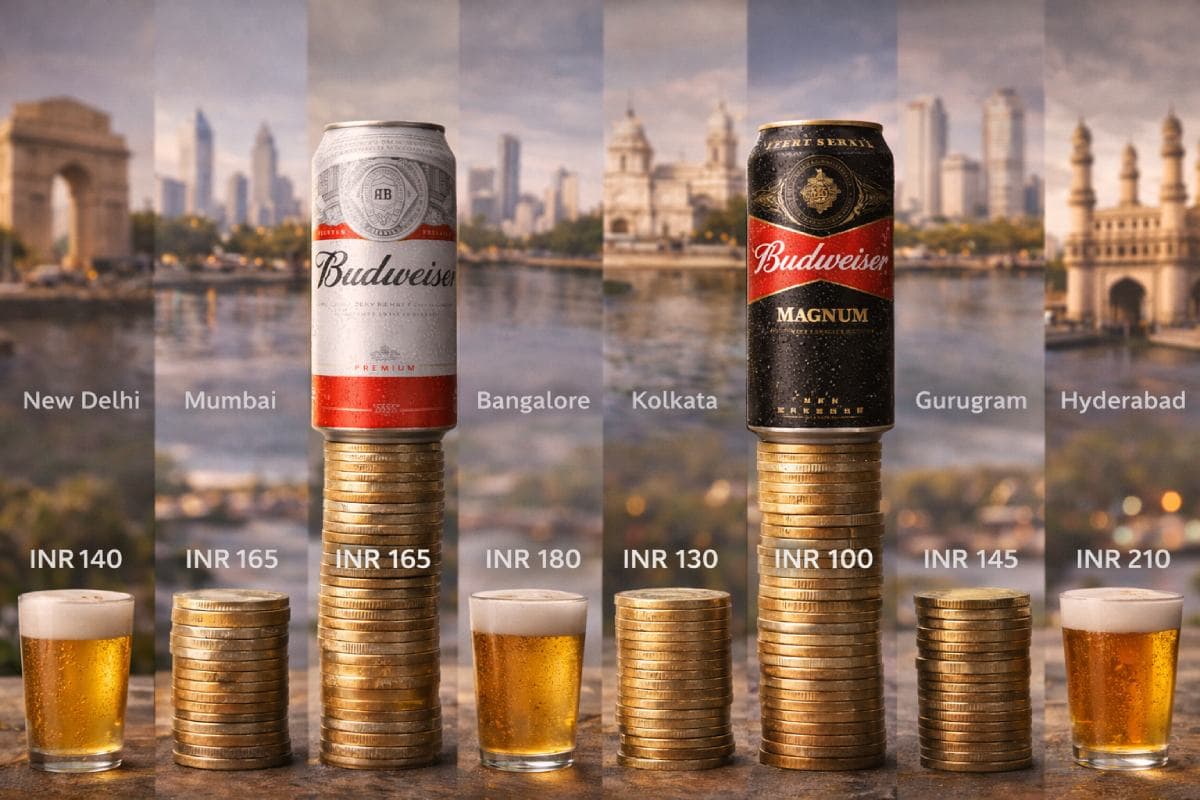
Imported Scotch, luxury vodka, craft beer, and premium tequila often become significantly more expensive in states with higher excise duties. Meanwhile, tourism-heavy states with lower taxes can make the same bottle feel considerably more affordable. This is also why many consumers purchase premium liquor while traveling interstate or through duty-free retail channels.
.webp&w=1920&q=75)
Multiple economic and political factors can lead to alcohol prices changing. Budget announcements, revenue targets, tourism goals, inflation, election-year policies, industry lobbying, and growing premiumization trends within the alco-bev industry all influence pricing decisions.
In some cases, some states reduce taxes to encourage legal alcohol sales and boost tourism, while others increase duties to maximize revenue collection, which is why consumers often notice sudden price hikes or reductions across beer, whisky, rum, and imported spirits throughout the year.
Alcohol prices in India change from state to state mainly because liquor remains outside the GST system, allowing each state government to independently control taxation and pricing policies. Excise duties, tourism strategies, interstate transport costs, import fees, and local revenue goals all directly influence the final price consumers pay.
States like Goa and Puducherry prioritize affordability to support tourism and nightlife, while larger states like Maharashtra and Karnataka often maintain higher taxes to generate stronger revenue. As India’s alco-bev industry continues evolving, these state-level pricing differences will likely remain one of the defining characteristics of alcohol consumption across the country.
Alcohol prices vary because liquor is excluded from GST, allowing each state to set its own taxes and excise duties.
Goa keeps alcohol taxes relatively low to support tourism, nightlife, and hospitality businesses.
Maharashtra imposes higher excise duties because alcohol is a major source of state revenue.
No, alcohol for human consumption is not covered under the GST framework in India.
State governments regularly revise excise duties based on revenue targets, tourism goals, inflation, and policy changes.