
Have you ever wondered why restaurants serve different wines in different glasses? Or why wine enthusiasts seem to own an entire cabinet filled with stemware? While it may seem like an unnecessary luxury, the shape and size of a wine glass can genuinely influence how a wine smells, tastes, and feels.
The right wine glass isn’t about making wine seem more sophisticated – it is also about making the entire experience worth it. However, the good news is that you don’t have to be an expert sommelier or a wine connoisseur to have information about the different wine glasses in use. In this wine glass guide, we’ll help you with information about different wine glasses and their uses and more.
Yes, the wine glass matters, but not in the way many people think.
A wine glass primarily affects three aspects of the drinking experience:
Since aroma contributes significantly to how we perceive flavor, a well-designed glass can make a wine seem more expressive, balanced, and enjoyable. A poorly shaped glass, on the other hand, may mute delicate aromas or make certain flavors seem harsher.
While casual drinkers can certainly enjoy wine from any clean glass, choosing an appropriate wine glass can noticeably enhance premium wines and more complex varietals.
Also Read: Red Wine Explained: Types, Taste, Benefits & Best Brands
Before choosing the right glass, it's useful to understand its basic components.
The bowl is the most important part of the glass. Larger bowls allow more air to interact with the wine, helping release aromas. Smaller bowls preserve freshness and concentrate delicate scents.
A thinner rim creates a smoother drinking experience. Wider rims allow more oxygen exposure, while narrower openings trap aromas inside the glass.
The stem allows you to hold the glass without warming the wine with your hands. It also prevents fingerprints from covering the bowl.
The base provides stability and makes swirling easier.
Although there are countless specialized glasses, most wines can be enjoyed using just a handful of basic styles.
Red wine glasses generally feature a larger bowl than white wine glasses. The additional space allows oxygen to soften tannins and release complex aromas.
Within this category, there are two major styles.
A Bordeaux glass is tall with a broad bowl and a relatively narrow opening. It works well for:
These full-bodied wines benefit from increased aeration, helping soften tannins while showcasing dark fruit and spice notes.
The Burgundy glass has an even larger, rounder bowl. It is ideal for:
Its wider shape captures delicate floral aromas while directing wine gently across the palate.
White wine glasses usually have smaller bowls because these wines rely on freshness rather than oxygen exposure. The smaller bowl helps preserve:
Ideal for:
Oaked Chardonnays often perform well in slightly larger white wine glasses, while lighter wines like Sauvignon Blanc benefit from narrower bowls.
Also Read: Top 10 Best White Wines Under INR 1000 (2026 List And Guide)
Sparkling wines deserve their own style of glass. And there are a few styles that you might have seen a lot often.
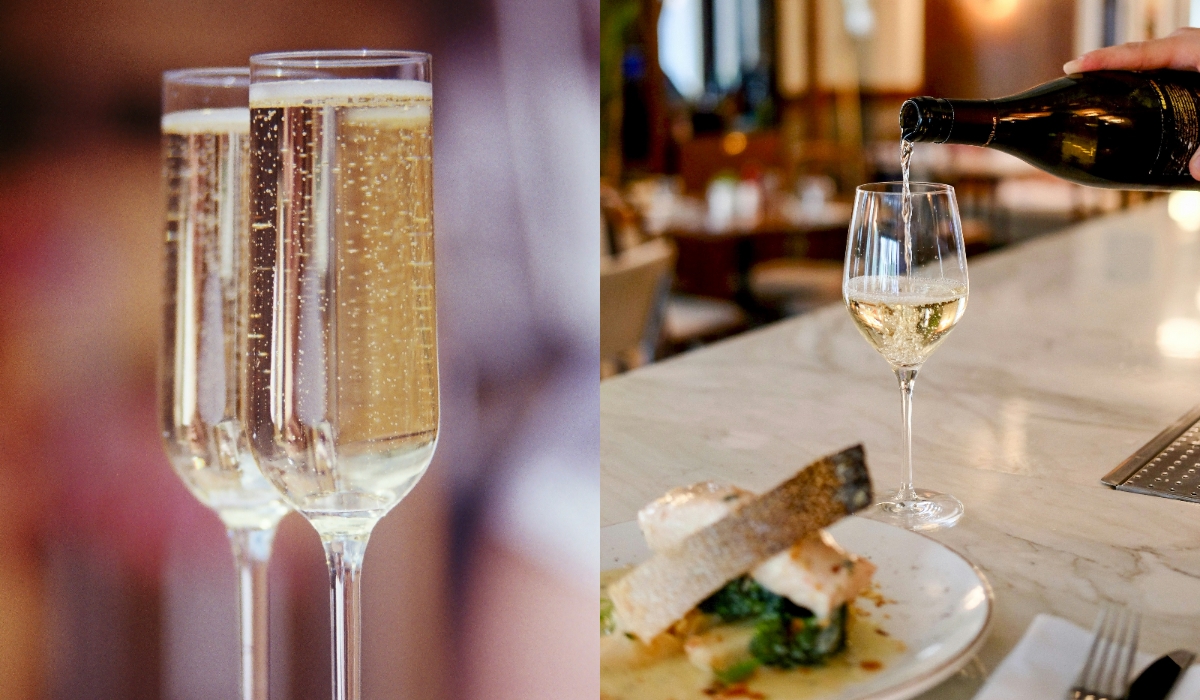
The classic flute features a tall, narrow bowl. Advantages include:
Ideal for:
Many sommeliers now prefer tulip-shaped glasses because they offer more room for aromas while still maintaining carbonation. If you frequently drink premium sparkling wines, a tulip glass can provide a better overall tasting experience.
Rosé glasses resemble white wine glasses but often feature a slightly flared rim. These glasses help emphasize:
Suitable for:
If you don't own rosé glasses, standard white wine glasses work perfectly well.
Dessert wines are usually served in smaller glasses because they are richer and consumed in smaller portions. These glasses help concentrate aromas while encouraging smaller sips.
Perfect for:
Stemless wine glasses have become increasingly popular, especially for casual entertaining.
Advantages:
Best for:
Advantages:
Best for:
One drawback is that holding the bowl can warm chilled wines more quickly.
If you don't want separate glasses for every wine, a universal wine glass is an excellent investment. These glasses combine features of both red and white wine glasses, making them suitable for nearly every wine style.
Universal glasses are ideal for beginners, small kitchens, and casual wine drinkers who enjoy many different types of wine. For most households, owning six quality universal glasses is more practical than collecting multiple specialized sets.
Here's a quick guide:
Wine | Recommended Glass |
Cabernet Sauvignon | Bordeaux glass |
Merlot | Bordeaux glass |
Shiraz | Bordeaux glass |
Pinot Noir | Burgundy glass |
Sauvignon Blanc | Standard white wine glass |
Chardonnay | Medium white wine glass |
Riesling | Narrow white wine glass |
Rosé | Rosé or white wine glass |
Flute or tulip glass | |
Prosecco | Flute |
Port | Dessert wine glass |
Many people unknowingly reduce their wine experience by making these simple mistakes:
Wine glasses should generally be filled only about one-third full. This leaves enough room for swirling and allows aromas to develop.
Always hold stemmed glasses by the stem. This prevents warming the wine and keeps the bowl free of fingerprints.
Thin crystal or fine glass provides a smoother drinking experience and allows you to better appreciate the wine.
While not essential, using a suitable glass can significantly improve aroma and balance, especially for premium wines.
Proper care extends the life of your stemware and keeps every pour tasting its best.
Also Read: Top 10 Best Red Wines Under INR 1000 (2026 List And Guide)
The perfect wine glass won't transform an ordinary wine into an exceptional one, but it can certainly help a good bottle show its best qualities. The shape of the glass, the size of the opening, and even whether the glass has a stem all influence how aromas develop and how the wine is perceived on the palate. Ultimately, the best wine glass is one that enhances your enjoyment and encourages you to savor every sip.
Yes. The right glass enhances aromas, controls aeration, and influences how the wine reaches your palate, making the overall tasting experience more enjoyable.
Absolutely. A universal wine glass is designed to work well with most red, white, and rosé wines, making it a practical choice for everyday use.
A flute preserves bubbles longer, while a tulip-shaped sparkling wine glass offers a better balance of aroma and effervescence. Both are excellent choices depending on the style of sparkling wine.