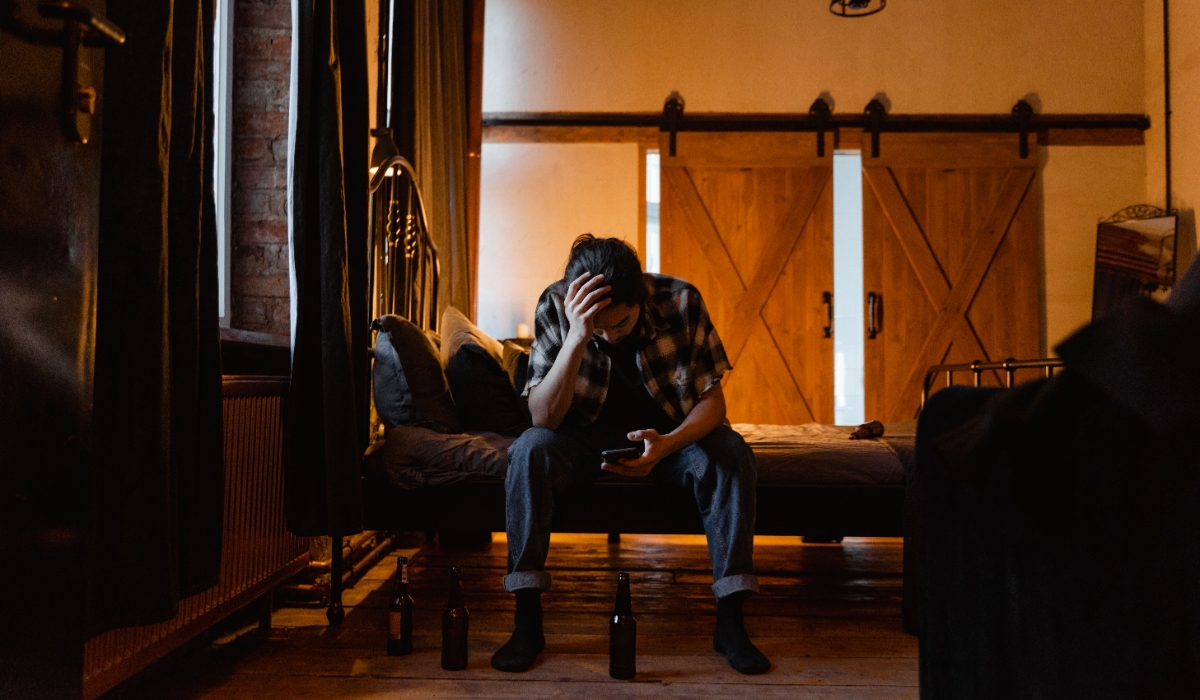


We’ve all been in situations where we wake up after a night out with a pounding headache, a mouth as dry as the Sahara, and a wave of thoughts over a dreaded text you may or may not have sent. It is a classic hangover, and here’s the thing: alcohol’s effects don’t always disappear when the hangover does.
Alcohol, when had out of moderation, can quietly affect your sleep, mood, energy, hydration, and digestion. Which is why many people are experimenting with their relationship with alcohol. Enter ‘alcohol breaks’ – whether it’s a ‘dry week’ or a 1-week wellness challenge. Many people are choosing such ‘breaks’ to explore how their bodies react when they don’t consume alcohol for a week (and sometimes more).
This article is intended for informational purposes only and is not professional medical advice. If you or someone you know has alcohol dependence, alcohol use disorder, or experience withdrawal symptoms when you stop drinking, please consult a qualified healthcare professional.
Seven days may not sound like a lot, but it is often enough for many people to notice small, meaningful changes.
You aren’T swearing off cocktails forever. Neither are you donating away all the precious collectibles stacked in your home bar. You aren’t giving up celebratory champagne or your favourite weekend beer. You’re simply observing how your body responds when alcohol is temporarily removed from the equation.
And the results can be surprisingly noticeable! Here’s what can supposedly happen when you have no alcohol for 7 days.
Within hours of your last drink, your body shifts into recovery mode. Depending on your drinking habits, the first day without alcohol can feel different for different people.
If you're an occasional drinker, you may not notice much. But if you’re someone used to having drinks several times a week, the changes might be noticeable. Within 2-3 days, many people can notice a spike in their energy levels, especially when they wake up. Many might also notice an improvement in the skin texture, further enhanced by adequate hydration and proper skincare.
Within 3-4 days, many might notice an improvement in their sleep cycle. Sudden ‘pass-out’ sleep might reduce and your energy levels might remain stable, lending you an overall healthy sleep cycle. Within 3-4 days, many people who’ve decided to have no alcohol for 7 days can notice an overall improvement in their sleep cycle and sleep quality.
As your sleep quality improves, you might also notice a drop in stress levels and anxiety, as a major part of it stems from a lack of quality sleep. Nowadays, many smart tech gadgets are available in the market to help you track your sleep cycle – you can use them to track your sleep cycle.
Also Read: Top Non-Alcoholic Beers to Enjoy This Festive Season (Without the Hangover!)
By the end of the week, you might notice a few more noticeable changes. Along with improved sleep quality, better skin, and a spike in energy levels, one can also notice an increase in appetite and reduced bloating. As brain fog clears out, you might also experience sharper focus and a rise in concentration levels.
While experiences vary, many people report some combination of the following benefits after a week without alcohol

Alcohol can make you feel sleepy initially, but it is often an illusion that it plays against your body. After a few alcohol-free days, many people might fall into deeper, more restorative sleep and wake up more energized in the morning.
Alcohol acts as a diuretic, meaning it contributes to dehydration by increasing fluid loss. Taking a break from drinking allows your body to maintain better hydration levels. In turn, it can help reduce headaches, fatigue, and feelings of sluggishness, which many times arise due to lower hydration levels.
Without alcohol affecting sleep quality and recovery, many people notice steadier energy levels throughout the day. Instead of running for multiple cups of coffee or passing out for a few minutes by the evening, you may find yourself maintaining natural, steady energy levels.
Alcohol is notorious for leading to water loss and digestive discomfort. Especially when consumed with salty snacks and heavy meals. An alcohol-free week can help reduce bloating and other kinds of digestive problems, ultimately making you feel lighter and more comfortable overall.
As mentioned above, having no alcohol for 7 days can drastically reduce digestive discomfort and in turn make you feel lighter. It can aid in digestion by reducing frequent acid reflux, irregular bowel movements, and bloating.
Many people describe becoming mentally sharper after a few days without alcohol. As ‘brain fog’ begins to lift, tasks that require concentration can feel a little less difficult and mentally draining. Exercising and meditation also helps in enhancing concentration levels in the mind.
For many, alcohol ‘improves’ their mood, however, in the long run, it can also affect mood regulation and contribute to feelings of anxiety in some individuals. A week without alcohol may leave you feeling emotionally more balanced, calmer, and better equipped to handle everyday stress.
Many people might be wondering: Does one week make a huge difference?
Well, a seven-day break from alcohol isn’t a miraculous transformation. It is neither a long enough duration for you to evaluate your drinking habits. However, one week is long enough to notice meaningful changes, however small, and analyze how you feel physically and mentally.
More importantly, it creates awareness. And awareness is often the first step toward healthier habits. A week without alcohol won’t turn you into the healthiest human being on Earth, but it can definitely help you make conscious, informed decisions about your relationship with alcohol.
Also Read: How Long Does A Hangover Last?
If you're curious about your relationship with alcohol, an alcohol-free week can be a useful experiment.
Treat it like gathering data from your own system rather than passing judgment on yourself.

Pay attention to the following aspects in your body:
You may discover benefits you weren’t even expecting or you may simply confirm that your current drinking habits feel balanced and manageable.
Also Read: Best Foods To Eat Before Drinking To Reduce A Hangover
Having no alcohol for 7 days is a great way of analyzing your relationship with alcohol. It can help you analyze whether your current drinking habits are manageable or you need a ‘sober curious’ lifestyle in place. It’s more about giving your body a brief opportunity to reset and seeing how you feel and less about abstaining from alcohol. And if nothing else, you’ll enjoy seven consecutive mornings without wondering whether your headache is worth that extra cocktail.