


Picture this: you and your friend spend the night drinking the same cocktails, order the same late-night fries, and call it a night at roughly the same time. The next morning, you wake up with a pounding headache and check your phone, only to see your friend spamming their gym updates to you, seemingly as fresh and fine as the morning sun.
Why do some people never get hangovers?
Is it genetics? Luck? Superior hydration skills? Or are they secretly hungover and refusing to admit it?
The truth is that hangovers are surprisingly complex and work differently for different people. In this article, let’s take a look at why some people hardly get a hangover!
A hangover refers to the collection of physical and mental symptoms that occur after drinking alcohol. As per National Institute on Alcohol Abuse and Alcoholism, typical symptoms include fatigue, weakness, thirst, headache, muscle aches, nausea, stomach pain, vertigo, sensitivity to light and sound, anxiety, irritability, sweating, and increased blood pressure.
Researchers define a hangover as the body’s response to alcohol after the intoxicating effects have worn off. While most drinkers experience hangovers at some point, studies suggest that a notable minority claim to be “hangover resistant.”
Also Read: 7 Hangover Cure Cocktails & Drinks That Actually Help
Hangovers are not caused by just one factor, many factors come at play to give you a hangover the day after heavy drinking.
Alcohol acts as a diuretic, causing your body to produce more urine than usual. This can lead to dehydration, which contributes to symptoms like thirst, headaches, dizziness, and fatigue.
Many people think alcohol helps them sleep because it makes them drowsy. However, alcohol actually interferes with restorative sleep cycles and can cause fragmented sleep cycles, contributing to next-day grogginess and exhaustion.
One of the most important discoveries in hangover science is the role of the immune system. Alcohol can trigger inflammatory responses throughout the body. Many researchers believe that inflammatory processes contribute significantly to hangover symptoms such as headaches, fatigue, brain fog, and general feelings of illness.
Certain alcoholic drinks contain compounds called ‘congeners’. These are produced during fermentation and aging and are mostly in darker spirits like bourbon, brandy, and some whiskies. Research shows that congeners may worsen hangover severity in some individuals.
Also Read: Best Foods To Eat Before Drinking To Reduce A Hangover
One of the strongest explanations for why some people don’t get hangovers simply involves ‘genetics’.
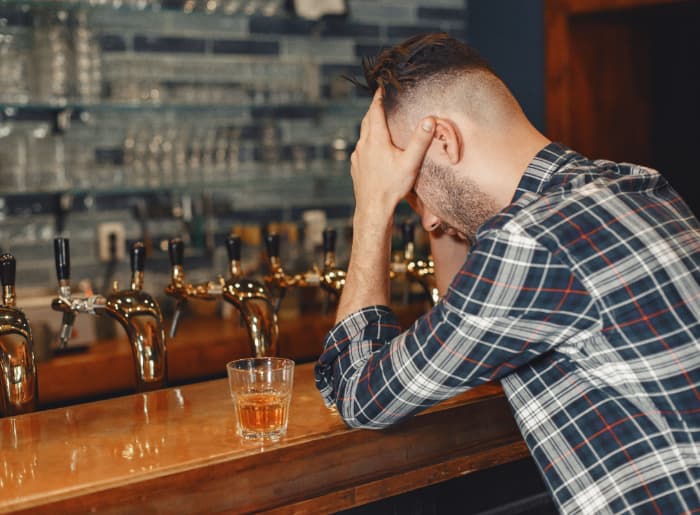
The liver uses enzymes called Alcohol Dehydrogenase (ADH) and Aldehyde Dehydrogenase (ALDH) to break down alcohol. Variations in the genes that control these enzymes can affect how efficiently alcohol and its by-products are processed. People who metabolize alcohol more efficiently may experience fewer after-effects, although genetics alone doesn’t completely explain hangover resistance.
A study published in the journal International Journal of Environmental Research and Public Health found that susceptibility to hangovers may be linked to differences in immune function. Researchers observed notable differences between hangover-sensitive and hangover-resistant drinkers, supporting the idea that the immune system plays a key role.
Sometimes the explanation is less dramatic and more logical. Many people who claim they ‘never get hangovers’ may
When you follow the above steps, your chances of getting a hangover can drastically reduce.
Also Read: How Long Does A Hangover Last?
“How to not get hangovers” might sound like a question impossible to answer. Because, science hasn’t really found a clear, miraculous answer to completely prevent a hangover. However, there are many ways to reduce your chances of getting a pounding hangover.
This is the simplest yet the most effective strategy to prevent a hangover. The less alcohol your body has to process, the lower your likelihood of experiencing a severe hangover the next day.
Water won’t magically prevent your hangover, but it can drastically help dehydration-related symptoms. It can also help reduce the intensity of alcohol in your system by diluting it. It is generally recommended to have some water in between drinks to pace yourself out.
Since alcohol disrupts sleep quality, prioritizing rest can help reduce next-day fatigue and cognitive impairment. It is generally recommended to get adequate rest the next day to ensure that your body and your mind is well-rested and recovers from the draining effects of alcohol.

While excessive drinking of any kind can cause a hangover, darker spirits with higher congener content may worsen symptoms for some individuals. Also mixing different kinds of alcohol can lead to a worse hangover, so avoiding that is usually recommended.
The science of hangovers is far more complicated than simply “drinking too much.” Many factors like dehydration, inflammation, poor sleep, alcohol metabolism, and congeners all contribute to why we feel awful after a night of drinking. Research also suggests that some people may genuinely be more resistant to hangovers due to genetics and differences in immune response.
Yes. Variations in genes that influence alcohol-processing enzymes in your body.
Drinking in moderation, staying hydrated, eating before drinking, getting adequate sleep, and avoiding excessive alcohol consumption can all help reduce hangover severity.
Some evidence suggests that beverages with higher levels of congeners, such as bourbon and brandy, may contribute to worse hangovers. This is in comparison to other drinks with lower congener content, such as vodka and gin.
No. Despite countless remedies and internet hacks, there is currently no scientifically proven cure for hangovers.