
Diageo India has overtaken Pernod Ricard India to become India's largest alcohol company by reported revenue for FY26 (2025-26). Diageo (via its India arm USL) has taken the lead from Pernod Ricard India who saw a major dip in revenue in the FY26 results following the sale of its Imperial Blue whisky business to Tilaknagar Industries.
The ranking shift occurs at a time when the Indian alcoholic beverage industry is clearly in the throes of a premiumization/luxury push. Radico Khaitan has meanwhile consolidated its position to become the third-largest alcoholic beverage company in the country.
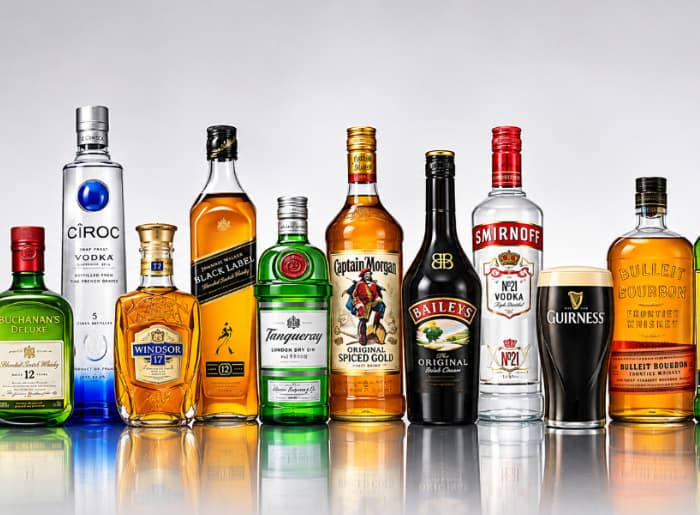
Diageo India's revenue from operations in FY26 was INR 27,816 cr and its total consolidated income was INR 28,294 cr (up 4.38% YoY). The company has thus reclaimed the title of India's largest alcoholic beverage company by revenue, overtaking Pernod Ricard.
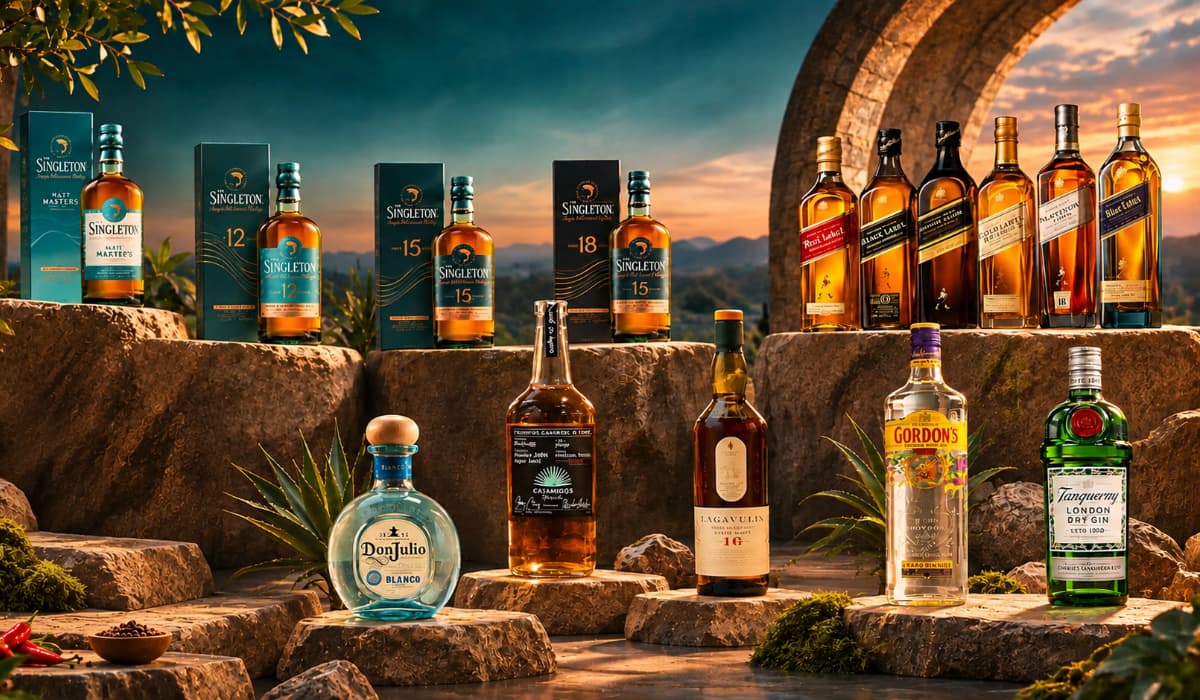
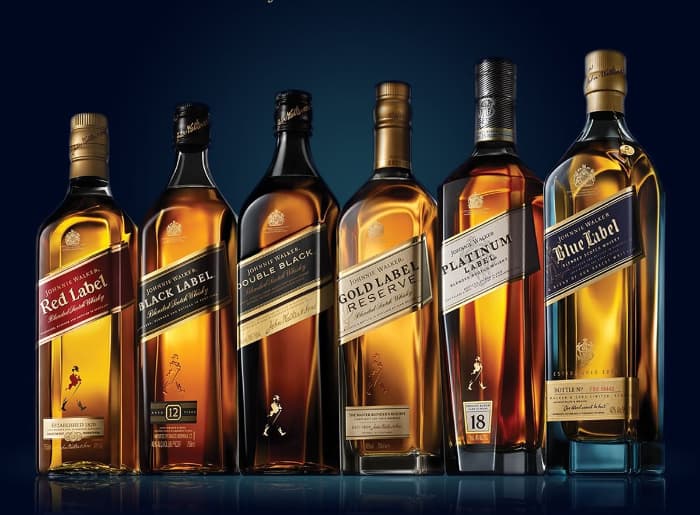
United Spirits had been the market leader prior to selling off a portfolio of 32 brands to Inbrew Beverages in 2022. That was part of Diageo India's wider strategy to focus on its higher value products. Having got into the premium space with brands like Johnnie Walker and a clear focus on premium spirits, the business has been restructured in India over time.
Pernod Ricard India reported a 13.6% decline in revenue from operations (INR 23,701.27 cr in FY26) and a 12.8% decline in total income (INR 24,122.03 cr). The decline was due to the disposal of the Imperial Blue business to Tilaknagar Industries as part of the company's premiumization strategy.
Despite the fall in revenue, Pernod Ricard India's profit from continuing operations actually rose from INR 1,734.59 cr in FY25 to INR 4,551.60 cr in FY26. This was underpinned by exceptional gains of INR 3,223.49 cr from the Imperial Blue transaction. Profit before exceptional items and tax also rose by 5.68% to the amount of INR 2,475.29 cr, suggesting that the revenue decline didn't have a corresponding impact on profitability.
While the two multinationals went through major portfolio changes, Radico Khaitan saw substantial financial growth. Radico Khaitan's total consolidated income in FY26 was INR 20,976.40cr as against INR 17,098.50cr in FY25 (an increase of nearly 22.7%).
The portfolio comprises the established brands 8PM whisky and Magic Moments vodka, plus the premium range of Rampur Indian Single Malt, Jaisalmer Indian Craft Gin and Royal Ranthambore whisky. Performance was better than that of United Breweries Limited whose total consolidated income for FY26 fell by nearly 10% to INR 17,508.66cr.
Based on reported total income for FY26, the four major players recorded the following figures:
Interestingly, the combined total income of Diageo India and Pernod Ricard India decreased by 5.17% to INR 52,416.03 cr in FY26, down from INR 55,275.60 cr in the previous year. This is a reflection of the businesses and portfolios of the two companies rather than any contraction across the entire Indian alcoholic beverage industry.
Heard about Diageo's new mid-strength product range? Discover how the company is catering to evolving drinking preferences.
The competitive landscape is changing and premiumization is clearly the way forward in the Indian spirits market. Both Diageo and Pernod Ricard have reduced their exposure to certain of the lower-end brands and are in fact focusing their efforts on the premium end of the market. Pernod Ricard is still a very strong player in the market through its portfolio of brands including Chivas Regal, Absolut, Jameson, The Glenlivet, Blenders Pride and Longitude 77.
India remains Pernod Ricard's largest market by volume, and the company is also conducting due diligence on a potential IPO of its Indian business. Radico Khaitan's performance is a good example of the increasing strength of the domestic spirit players. As both international and Indian companies are expanding their premium portfolios, the competition is increasingly about brand, value, profitability, and positioning rather than just volume.
Wondering why Diageo canceled its 2026 Special Releases Scotch Whisky Collection? Find out what led to this decision.
This is all drawn from Diageo India's official FY2026 audited financials, their corporate announcements and the various industry reports that accompany them. It covers the Indian alcoholic beverage players, their financials, Diageo's return to market leadership, the impact of Pernod Ricard's Imperial Blue divestment, Radico Khaitan's performance and the premiumization story.
Diageo India's return to the top of the Indian alcoholic beverage industry is a case in point of how portfolio strategy is changing the dynamics of market leadership. Pernod Ricard's exit from the Indian market via the sale of Imperial Blue was a factor in the shift in rankings, but Radico Khaitan's performance is clearly indicative of the increasing competitiveness of the domestic spirits players. As premiumization becomes such a key business priority, the next stage of the game in the Indian alcohol market is going to be about profitability, brand and the ability to grow sustainably rather than just revenue.