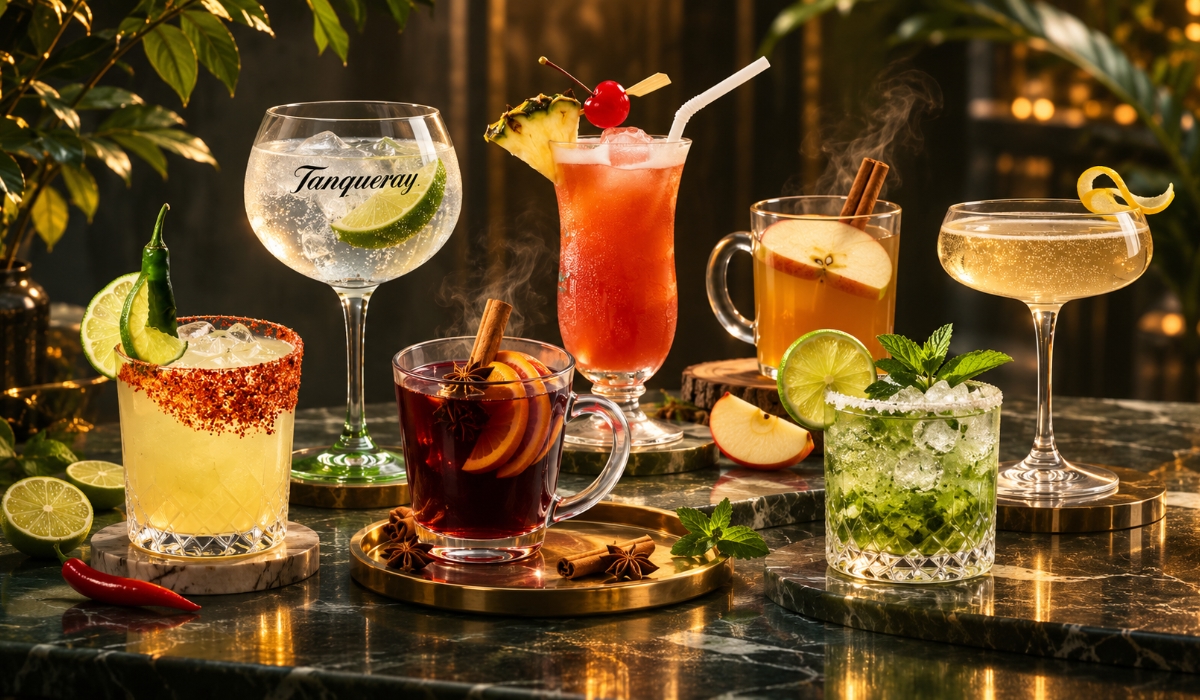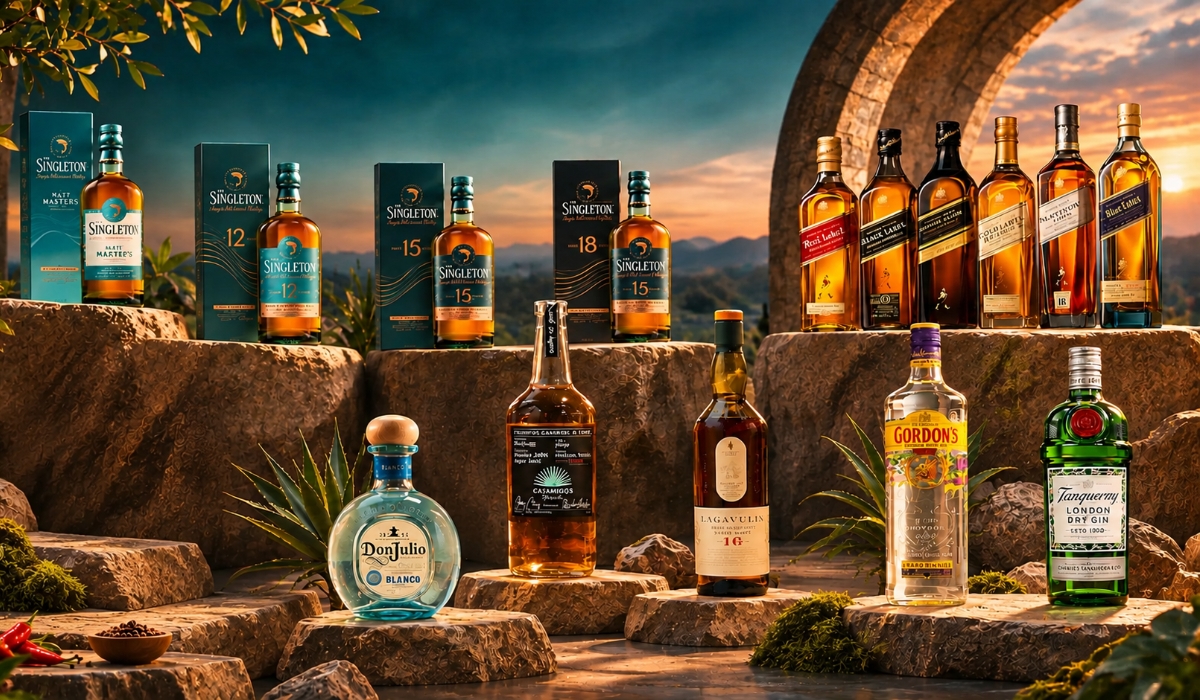

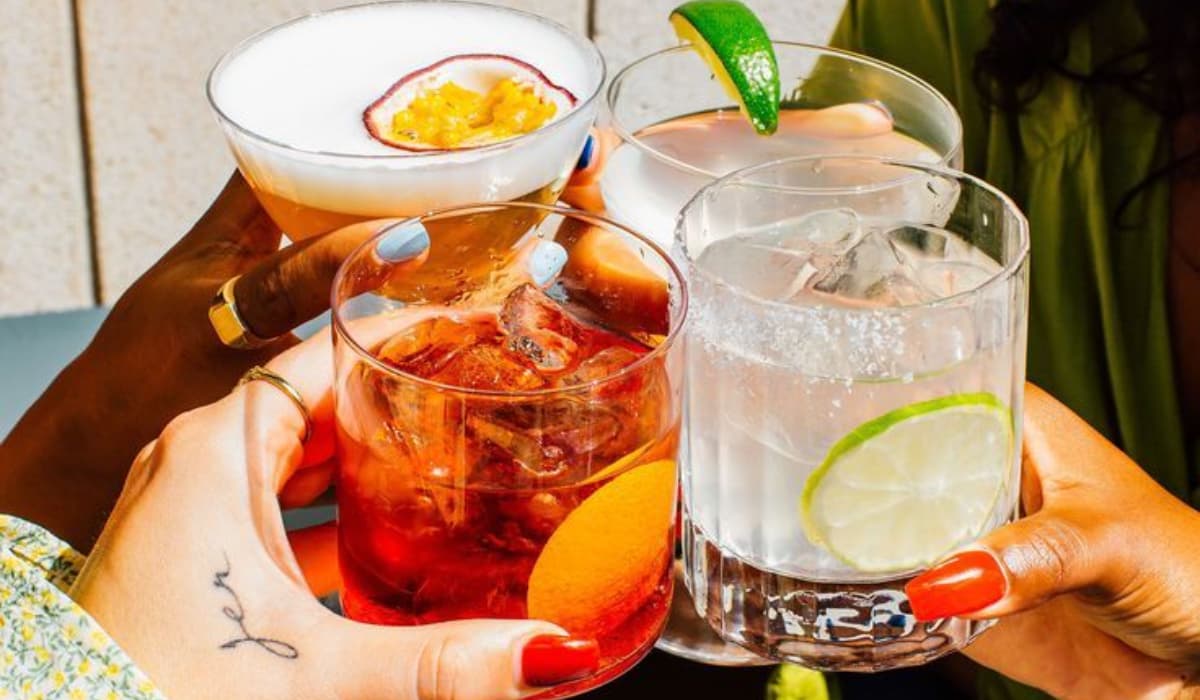
A consumer who might be drinking a bottle of whisky at a family get-together might well be having a gin on the rocks at a restaurant or a beer while watching a cricket match. They may have a particular whisky they like but their drinking is not necessarily confined to that one product or category.
This is repertoire drinking and it's a real challenge for the alcoholic drinks industry. With premiumization, changing social habits and moderation all playing a part in the way people buy, the concept of brand loyalty is far more complex than just working out what a person's favorite drink is.
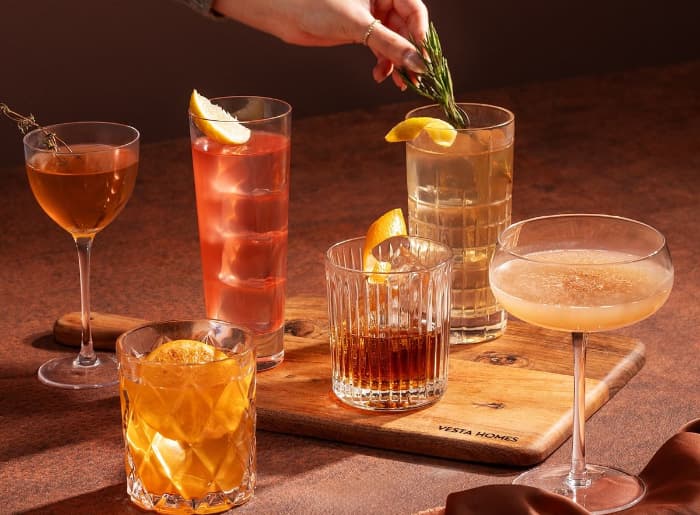
Repertoire drinking is the concept of having a set of preferred drinks and brands that you will go through. You don't just stick to one drink. Your choice will vary depending on the occasion, the money you have to spend, the company you're with and your own personal preference. It can be across the board or it can be within a particular category.
A whisky drinker might well be a regular purchaser of a fairly inexpensive blended whisky but will go for an Indian single malt on special occasions. They're in the same product category, just different uses. Repertoire buying isn't a new thing in consumers’ behavior, but its relevance to the alcohol industry is very much in the spotlight as our choices and the occasions on which we consume are changing.
One of the biggest drivers of beverage choice is the occasion. An informal meal, a wedding, a business dinner, or an evening out with friends can all be factors.
NielsenIQ's 2026 research on the UK cocktail market is a good example of how cocktails are becoming relevant in a much wider range of situations than just traditional celebrations.
They're being consumed in casual dining and after-work settings. Premiumization and experimentation are also big factors in the choice of drink, particularly when you're looking at new spirits or new premium expressions.
Moderation adds another dimension to repertoire drinking with people alternating between alcoholic and non-alcoholic drinks, or indeed choosing to abstain for a period of time. IWSR's February 2025 research pinpoints temporary abstinence, lighter drinking and single category drinking occasions as key forms of moderation. Price, disposable income and product availability all play a part in determining whether people will go back to their usual brands or look at alternatives.
Did you know alcohol consumption among Gen Z fell by over 5% between 2022 and 2024? Discover what the new study reveals about changing drinking habits.
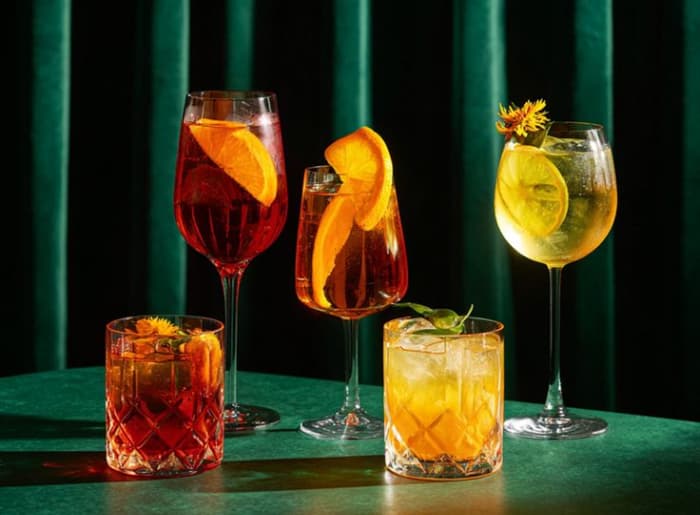
India is a remarkable case of established drinking habits co-existing with experimentation. The Mintel India Spirits Market Report 2024 identifies three consumer segments based on their repertoire: the Loyalists, the Dualists and the Experimentalists.
The Loyalists will tend to stick to one spirit, the Dualists will have a preference across two spirits and the Experimentalists will be in the market for a wider range of spirits. The report does however point out that the majority of spirits drinkers in India are still very much the Loyalist.
Moderation is another key point. IWSR research from February 2025 found that 71% of Indian drinkers surveyed had at some point cut back on alcohol consumption, the highest proportion of all 15 markets looked at.
The Indian sample was again a relatively affluent group of drinkers from 10 of the major cities rather than the full breadth of the Indian drinking population. There are also significant differences in alcohol taxes, prices, and distribution among the various states of India, which will, in turn, affect which brands people actually buy.
For the alcohol companies, repertoire drinking is the thing that blurs the lines of competition. A whisky brand may be in competition with other whiskies on one occasion and with gin, beer, wine or non-alcoholic alternatives on another. It's absolutely critical to understand the consumption occasion. A brand that is associated with celebration will occupy a very different place in the consumer's repertoire to one that is bought for the more mundane social occasion.
Well-diversified portfolios are also of strategic relevance. A company operating in a number of different beverage categories can be in a position to retain its consumers within the portfolio even if they do switch from one type of alcohol to another.
The measurement of brand loyalty however is not simply a matter of repeat purchase. You need to look at purchase frequency, share of consumer spend and the occasions that a brand is bought on to get a proper understanding of the consumer's preferences.
Wondering why Gen Z in India is switching to low-alcohol and no-alcohol cocktails? Find out what's driving this shift in drinking culture.
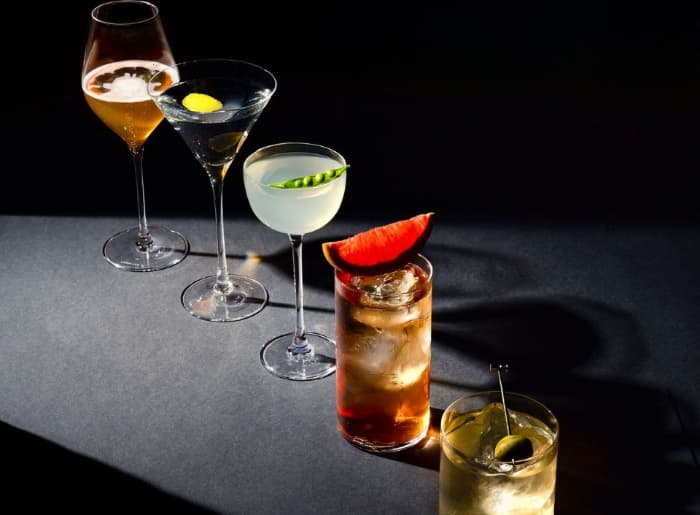
Despite the increasing amount of experimentation, research suggests that consumers aren't necessarily broadening their drinking repertoire on every occasion. IWSR's February 2026 research across 15 markets shows the average number of beverage categories consumed per occasion by surveyed legal drinking age Gen Z consumers has actually gone down from 2.8 in September 2023 to 1.8 in September 2025. So younger consumers are in fact becoming a bit more selective on a given occasion.
Further evidence of the high loyalty associated with distilled spirits comes from a 2023 study in the Journal of Consumer Behaviour which found that the category was one of the most loyal. That directly contradicts the oft-repeated notion that the more variety there is in a product category the less loyal consumers will be. Consumers can have a range of preferred brands and still be quite selective as to when they buy and consume each one. Having a wide repertoire of drinks does not in any way equate to being a brand-agnostic consumer.
This is based on consumer research and industry studies from IWSR, Mintel, NielsenIQ and Ipsos, as well as academic research from the Journal of Consumer Behaviour. The research covers a range of topics including changing drinking habits, category and brand loyalty, Gen Z, considered consumption, premiumization and occasion drinking.
Repertoire drinking offers a very different perspective on the relationship between the consumer and the brand. The traditional preference is still a major factor, but purchase is also driven by the occasion, the price, the desire to experiment and the desire to drink in moderation. Brand loyalty is not going away, it's just becoming more contextual. For the alcohol companies it may be just as important to know where their product sits in the consumer's repertoire as it is to know how often it's bought.