
Deeply rooted in the indigenous or Adivasi traditions of Central and Eastern Indian states such as Madhya Pradesh, Chhattisgarh, Odisha, Jharkhand, and Maharashtra, Mahua is a part of India’s distinct spirit heritage, on par with spirits like feni, lugri, etc. Unlike whiskies that are distilled from grain, rums from sugarcane, or tequilas from agave, Mahua is distilled directly from the sweet, fallen floral blossoms of a tree called Madhuca longifolia. In this unsobered guide, we take a look at Mahua’s botany, traditional distillation process, deep sacred significance among forest communities, its colonial suppression, and its modern transition into a heritage craft spirit.
All along the forest belt of central India, the Mahua tree is revered as a sacred plant, much like tulsi is for many Hindus. During the months of March and April, this sacred tree sheds its fleshy, pale-yellow flowers, which are then harvested. This is where the story of Mahua spirit begins.
.jpg&w=1920&q=75)
The flowers are bursting with natural sugars such as sucrose, glucose, and fructose, essential minerals, and vitamins. It is important to note that the flowers are only harvested after they naturally fall to the forest floor. There is absolutely no cutting or harming of trees, which already makes the process very sustainable.
What makes it even more sustainable is that this picking and gathering process of Mahua flowers provides vital seasonal livelihood and food security for millions of indigenous families in India.
The following is the traditional distillation process of Mahua liquor.
Drying And Fermentation: Once the fallen flowers are harvested, they are sun-dried until their color turns a golden, amber brown. These dried flowers are then soaked in water in clay pots or fermentation vats. In the vat, wild airborne yeasts interact with the flower's natural sugars, which then convert them into a sweet, aromatic wash.
Distillation Mechanics: The wash is then distilled. Traditionally, the spirit used to be distilled in simple earthen pot stills over a wood fire. Today, however, many producers also use metals like copper for the distillation process. The vapors pass through bamboo pipes and condense into clay or metallic receivers. They are then cooled by fresh forest water.
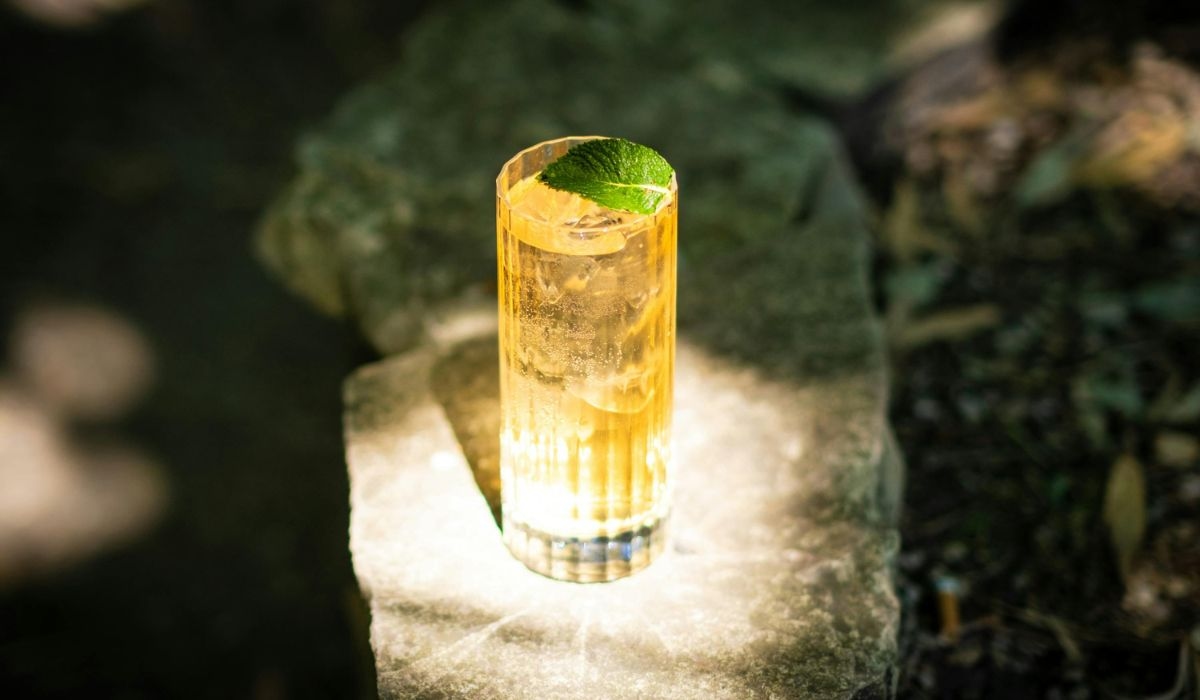
Flavor Profile And Tasting Notes: After such a distillation process, the flavor profile of Mahua is quite distinct. It has a rich, floral, and earthy aroma with distinct notes of dried figs, raisins, and warm forest honey. On the palate, it is quite smooth and sweet, and has a smoky herbal finish with a gentle warmth.
Also Read: Crazy Cock Unveils Madhuca: The Heritage Editions, World’s First Mahua Cask-Finished Single Malt
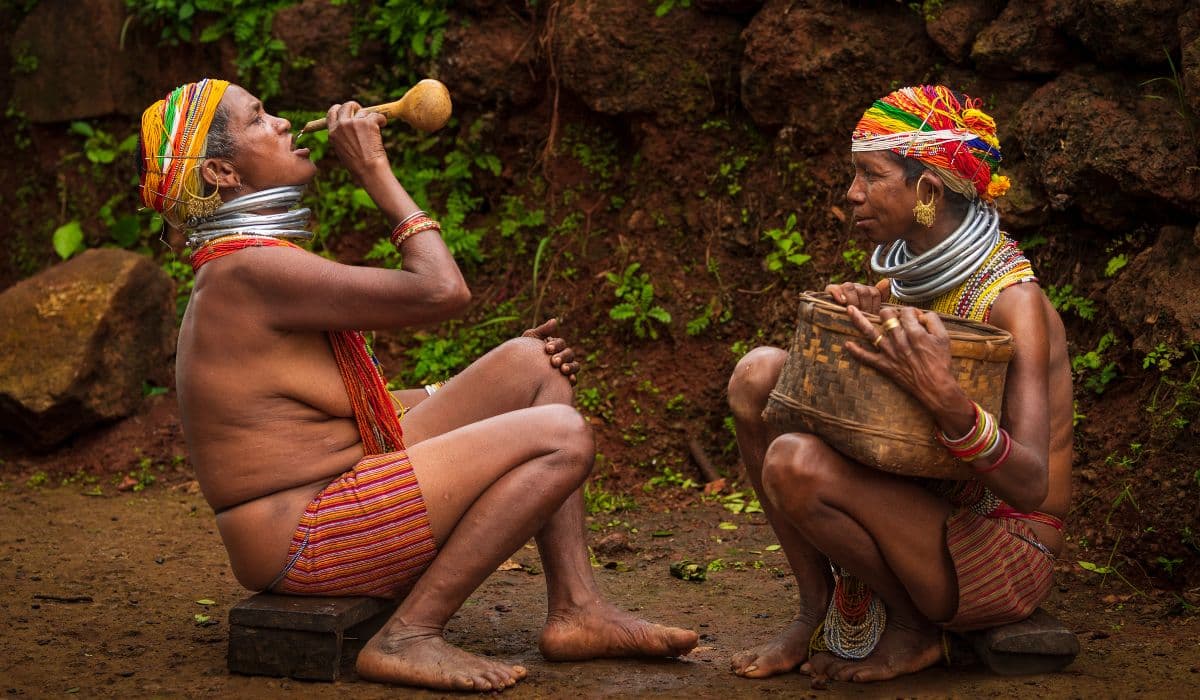
For many Adivasi cultures in India, Mahua signifies way more than a mere intoxicant. For them, it is a sacred elixir, or prasad, offered to forest deities, ancestral spirits, and village gods, especially when festivals like Sarhul and Karma roll around.
What is more, Mahua is also present at and a crucial part of all major life milestones, from birth celebrations and wedding toasts to funeral rites. It symbolizes unity and communal hospitality.
Another interesting aspect about Mahua is that its utility doesn’t start after distillation. The undistilled flowers are used in traditional medicine to treat respiratory ailments and fatigue. They are even cooked into sweet breads such as sweet puris and turned into halwas during lean agricultural months.
.jpg&w=1920&q=75)
Keen readers may wonder why, if this indigenous spirit is so revered and useful, has the common man not heard of it? Well, the answer to that is colonialism. In the late 19th century, British colonial authorities restricted and criminalized mahua distillation. They imposed strict excise laws such as the Mhowra Act of 1892 in order to protect revenues from imported British spirits and state monopolies.
The discrimination didn’t end even when colonialism did. For decades after 1947, Indian state excise policies classified mahua under the generic category of "Country Liquor." This label completely neglected the deep culture and heritage of Mahua and restricted its inter-state trade. Perhaps the most detrimental of all was the relegation of centuries-old artisanal spirit into clandestine, unorganized distillation.
However, the scene is changing today. A plethora of Indian states like Madhya Pradesh and Odisha have officially declared Mahua a "Heritage Spirit." They lifted legal barriers and promoted standardized, hygienic craft production.
Also Read: Bandra Born Introduces India’s (And The World’s) First Mahua Bar!
As a spirit, Mahua is the only indigenous, flower-based distilled spirit in the country. Not only does it embody centuries of forest heritage and community tradition, but it also embodies sustainability and harmony with nature. Though the spirit has been through its fair share of suppression, with progressive excise reforms and dedicated craft revivalists, Mahua is slowly and steadily reclaiming its rightful place alongside global artisanal legends like Tequila and Mezcal.