
.jpg&w=3840&q=75)
Every four years, the FIFA World Cup transforms into more than just a football tournament. Streets fill with fans wearing national colors, pubs reach capacity hours before kick-off, living rooms become mini fan zones, and strangers celebrate together as if they've known each other for years. Amid all the chants, celebrations, heartbreak, and last-minute goals, one thing almost always finds its way into the picture: a cold beer.
It's easy to assume that beer is simply the drink people happen to choose while watching football, but the relationship runs much deeper than that. For well over a century, beer and football have evolved alongside one another, shaping traditions, fan culture, and some of the sport's most memorable moments. Whether it's a pre-match pint, a toast after a dramatic victory, or the images of fans showering each other with beer after a stoppage-time winner, the FIFA World Cup has become one of the biggest celebrations of this long-standing partnership.
.jpg&w=1920&q=75)
The connection between beer and football dates back to the early days of professional football in Europe. In England, brewer John Houlding played a key role in the formation of Liverpool Football Club, highlighting how breweries weren't simply sponsors but active contributors to the growth of the sport. Similar relationships developed across Germany and Belgium, where breweries supported clubs, leagues, and football culture long before global sponsorships became commonplace.
As football expanded into the world's most popular sport, beer naturally became part of the matchday experience. Visiting the local pub before kick-off, discussing team selections, celebrating victories, or analyzing disappointing performances over a pint became traditions passed down through generations. Over time, beer stopped being just another beverage and became part of football's identity.
Also Read: How Diageo Is Using FIFA World Cup 2026 To Redefine Sports Marketing
Ask football fans what they remember most about a World Cup, and many won't immediately mention tactics or statistics. They'll remember where they watched the match, who they celebrated with, and the atmosphere surrounding the game. Beer has become woven into many of those memories because it complements the social experience rather than replacing it.
Whether friends gather at a neighborhood pub, families watch together at home, or thousands pack into public fan zones, beer often serves as the centerpiece of shared celebrations. The ritual starts well before kick-off with conversations about team selections and predictions, continues through every goal and controversial refereeing decision, and often extends long after the final whistle as fans relive the biggest moments together.
.jpg&w=1920&q=75)
International tournaments create something club football rarely can: entire countries supporting one team together. Rivalries between club supporters are temporarily set aside as families, neighbors, and friends unite behind their national side. That sense of togetherness has helped strengthen beer's association with the World Cup.
Some of football's most iconic images involve fans celebrating with beer. During the 2018 FIFA World Cup in Russia, reports suggested that nearly half a billion beers were consumed throughout the tournament, while viral celebrations frequently showed supporters throwing beer into the air as goals were scored. These moments have become almost as recognizable as the football itself, reinforcing beer's place within the spectacle of the tournament.
Beer brands have spent decades investing heavily in football because the sport offers one of the largest and most emotionally engaged audiences anywhere in the world. Rather than simply placing logos around stadiums, major brewers use football to build long-term emotional connections with consumers through storytelling, memorable campaigns, and shared experiences.
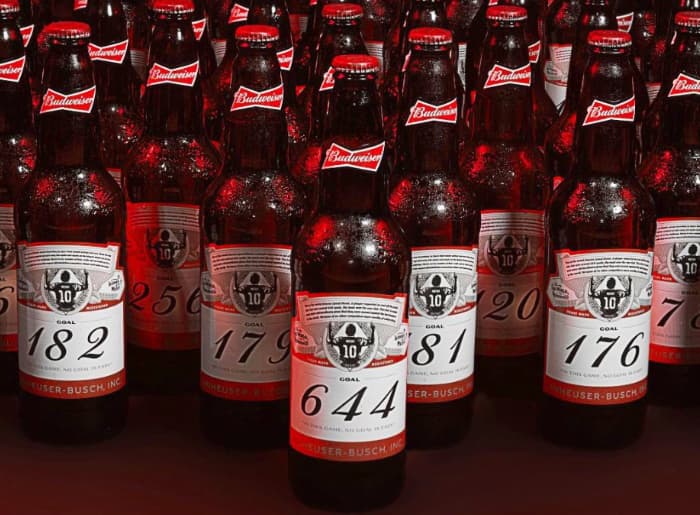
Budweiser's long-standing partnership with FIFA is one of the best examples. Over multiple World Cups, the brand has created campaigns that celebrate fans just as much as the players themselves. Budweiser's collaboration with Lionel Messi, celebrating his achievements and connection with supporters around the world, demonstrated how football partnerships can become cultural moments that extend far beyond advertising. Instead of focusing solely on the product, campaigns like these emphasize celebration, passion, and the emotions that make football unique.
Also Read: Why Do Alcohol Companies Invest In Sports Marketing?
The popularity of beer during the World Cup also reflects how naturally it fits into the rhythm of football. Unlike many higher-alcohol spirits, beer is typically enjoyed over the course of a 90-minute match, making it well suited to long conversations, shared meals, and group celebrations. It pairs comfortably with classic matchday food, from burgers and pizzas to wings and snacks, making it a practical as well as cultural choice.
Football is ultimately a social sport, and beer has evolved into a social drink. Whether someone is watching in a packed sports bar, a stadium, a fan park, or their own living room, opening a cold beer has become part of the ritual that signals the match is about to begin. It's less about the alcohol itself and more about participating in an experience shared by millions of fans around the world.
.jpg&w=1920&q=75)
Beer didn't become the unofficial drink of the FIFA World Cup overnight. Its relationship with football has been built over generations through local pubs, brewery sponsorships, unforgettable marketing campaigns, and countless moments of celebration shared between supporters. As football evolved into the world's biggest sporting event, beer naturally became one of its most recognizable companions.
That doesn't mean every football fan drinks beer or that it's essential to enjoying the game. What it does mean is that for millions of supporters, opening a beer has become part of the ritual that surrounds kick-off, celebrates victory, and softens defeat. In many ways, beer isn't simply served during the FIFA World Cup. It's become part of the culture that makes the tournament unlike any other sporting event in the world.