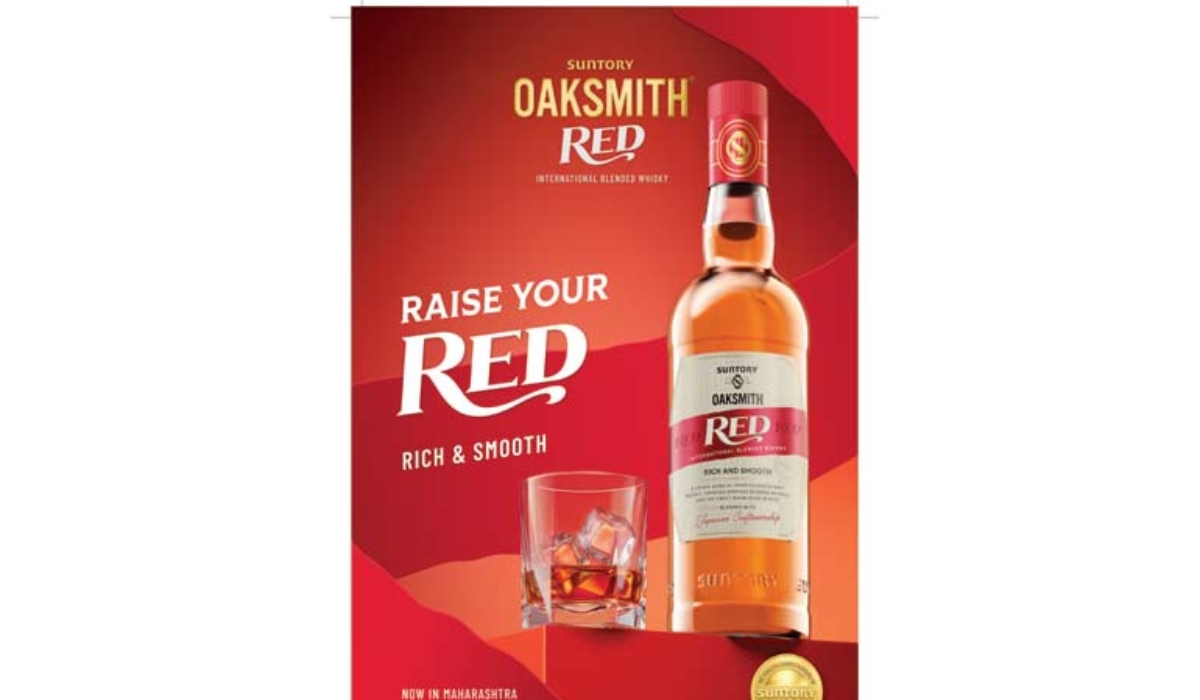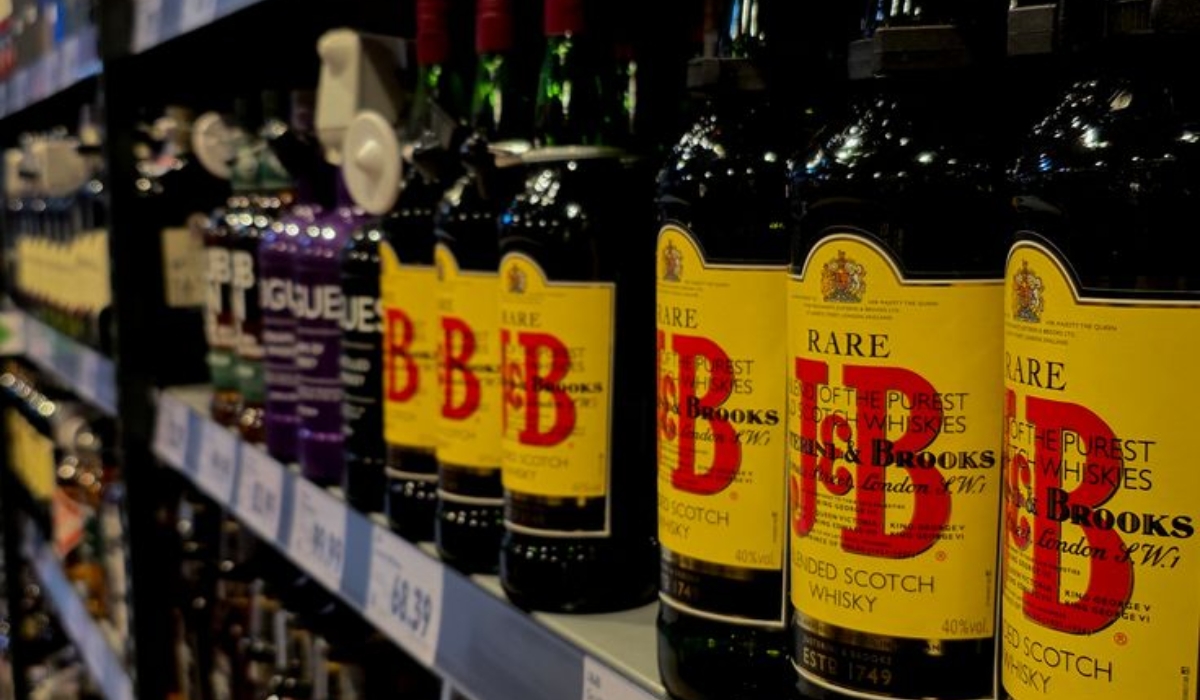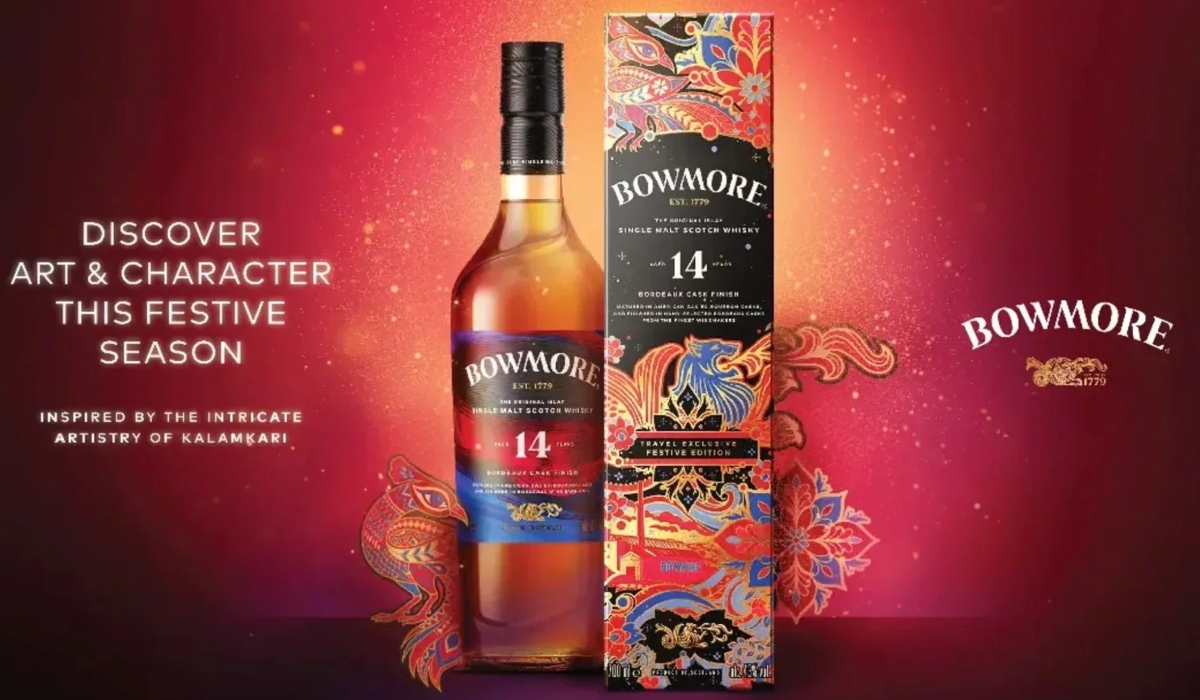

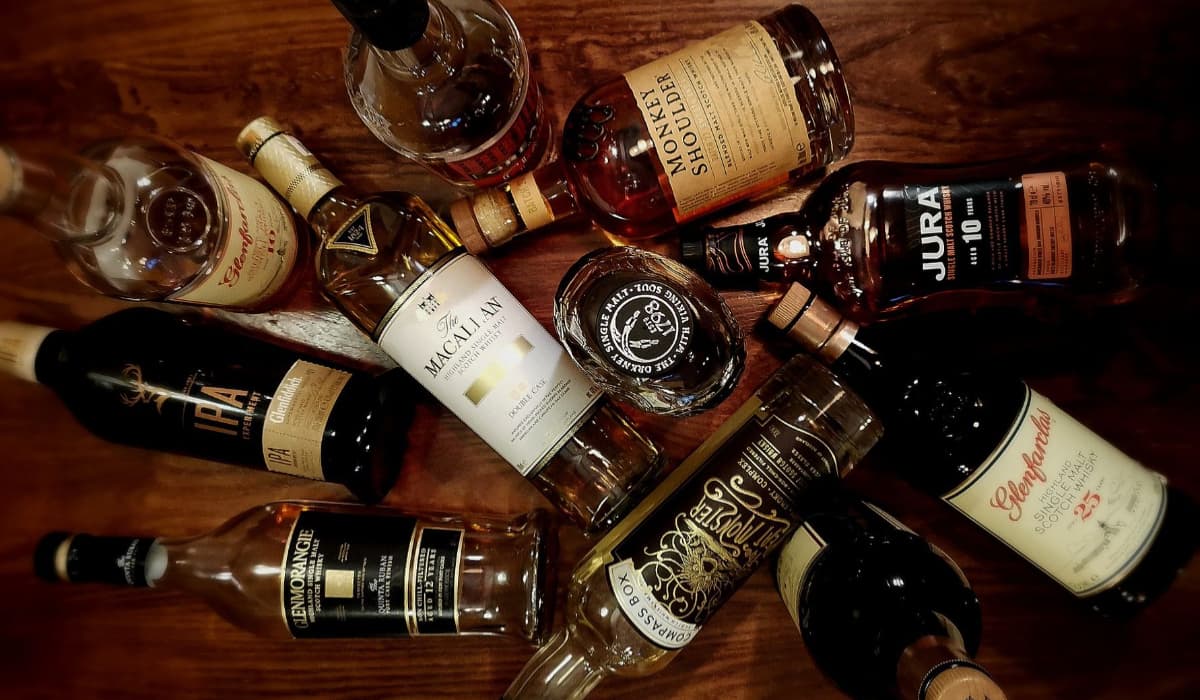
Whiskey can be pale gold, rich amber, copper or deep mahogany, the color develops as a result of the time it spends in the casks during maturation. Some whiskeys will also have an approved coloring additive.
So why does whiskey change colour and does a darker color necessarily mean a better whiskey? The answer lies in the oak, the previous cask contents, the conditions of maturation and occasionally the addition of caramel coloring. That's all the information you really need to know in order to assess what's in your glass.
The whiskey ageing process starts with the freshly distilled spirit being transferred into casks. It's the interaction of the spirit with the cask that causes it to take on color, aroma and flavor as it ages. The clear spirit gradually becomes golden, amber and then darker brown.
Oak contains tannins, lignin and a host of other substances which will all have an effect on the character of the whiskey. The type of oak is also important as American white oak (the type used for bourbon barrels) will generally produce a lighter golden to honey color of whiskey. European oak (the type associated with sherry casks) will tend to produce a deeper amber, copper and reddish brown color.
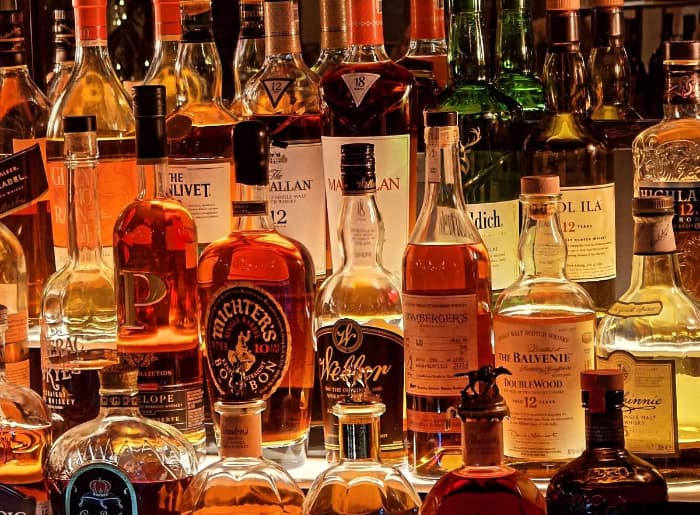
The contents of a cask will have an effect on both the color and the flavor of the whiskey that is maturing in it. Ex-bourbon barrels are typically associated with a golden and amber color and with vanilla, honey and orchard fruit notes.
Sherry casks, particularly Oloroso and PX casks will give you a richer amber, copper and mahogany hue. Port and some wine casks will impart a red or ruby tinge, though the actual color you end up with is going to be the result of a number of factors other than the previous contents.
First fill and refill casks behave differently as a first fill cask is one that's being used for the first time to mature Scotch whiskey following its previous use or seasoning. It will generally have more extractable compounds than a cask that's already gone through several batches of whisky.
First fill casks will often impart color much more rapidly than heavily used casks. The charring and toasting of the wood will also have an effect on how the wood interacts with the spirit by altering the range of compounds that are available for extraction.
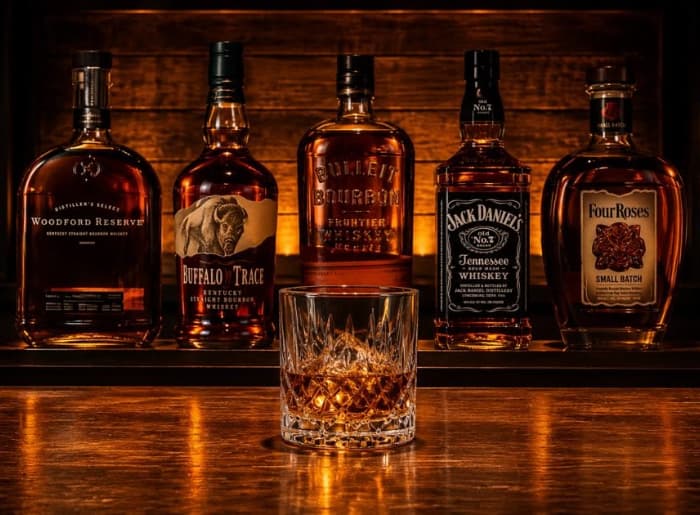
Age can have an effect on the color of the whiskey but the number of years in the cask doesn't in itself dictate the color. A 10 year old whiskey matured in an active first fill sherry cask could be darker than a 25 year old whiskey which had been aged in a heavily used bourbon barrel. The younger whiskey would have extracted more color from the cask even though it had been in the cask for a lot less time.
Temperature fluctuations will have an impact on the interaction between the spirit and the wood. The size of the cask, the treatment of the oak and the history of maturation all have an effect on the amount of extraction. Two whiskeys of the same age can therefore be very different in appearance. This is why you shouldn't judge whiskey barrel ageing by color. A darker whiskey is not necessarily older, not necessarily stronger, not necessarily more expensive and not necessarily better tasting than a lighter expression.
Wondering what mixers go with whisky, gin, rum, and vodka? Explore this beginner's guide to finding the perfect combinations.
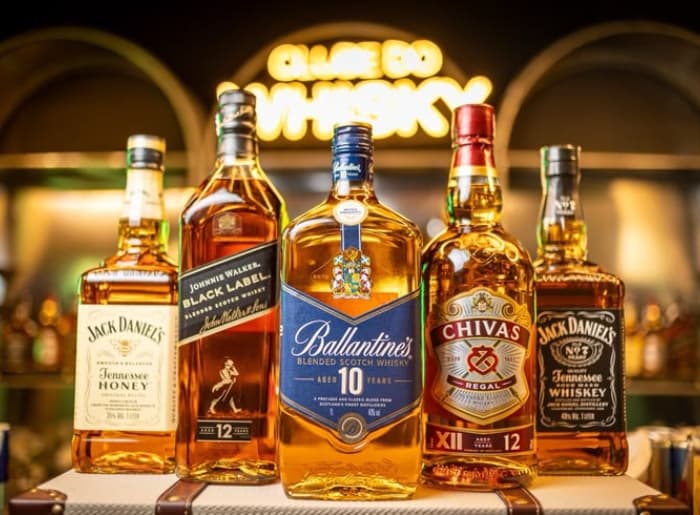
Caramel color in whiskey is quite different from the sweet caramel we use in desserts or in coffee. E150a is a food coloring made by the controlled heating of carbohydrates. It's primarily a coloring agent and not used to give the whiskey any sweetness at all.
Under Scotch whisky regulations plain caramel coloring is allowed. A distillery can use a small amount to ensure that bottles of the same expression are the same color, accounting for the natural variation that will occur from cask to cask.
However not all the producers use the E150a whiskey coloring. Some distilleries will have expressions that are labelled 'natural color' which means no caramel coloring has been added. These will of course be whiskeys that may have quite a bit of variation in color from batch to batch depending on which casks you've chosen.
Did you know Indri leads India's top single malts ranking, followed by Godawan? Discover which other whiskies made the list.
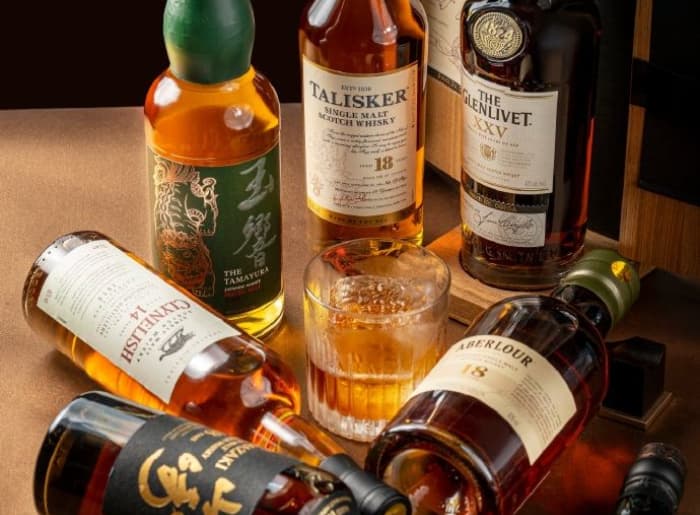
Whiskey color can give you some indication as to the extent of maturation but it's not a reliable guide to flavor. A dark amber whiskey in sherry seasoned oak could have dried fruit and spice notes, whereas a pale golden whiskey from bourbon barrels might be more towards the vanilla, citrus and floral end of the spectrum.
A light whiskey can be very smoky, very complex, whereas a dark one can be quite delicate and quite mild. The color is indicative of certain aspects of the process, it doesn't in any way define the drinking experience.
When you're assessing a whiskey the aroma, the texture, the balance and the flavor give you a far better picture than the appearance does. The age statement, the cask information and whether or not the label says 'natural color' will also go some way to explaining why a particular whiskey looks the way it does.
Curious about the world's best Scotch whisky according to the IWSC? Find out which expression earned the prestigious recognition.
The information presented in this article has been sourced from the official websites of The Glenlivet, Bruichladdich, The Macallan, and Kilchoman, along with guidance from the Scotch Whisky Association. These references provide details on how whisky develops its color during maturation, the influence of different oak casks, the use of caramel coloring, and why darker whisky does not necessarily mean older whisky.
Whiskey changes color principally as a result of its interaction with the oak. The type of wood, whether it's a first fill or refill, and the conditions of ageing all have an impact on the final color.
Some will also contain the permitted E150a caramel color to ensure consistency. In the end though, the color of a whiskey, whether it's a pale gold or a deep mahogany, tells you absolutely nothing about its age, its flavor or its quality.